
Blog
Overview of Thermal Imaging Technology
Thermal cameras have been recognized as one of the most effective tools for detecting individuals outdoors. Initially, their use was limited to critical situations, but thanks to technological advancements and decreasing costs, they are now widely employed for everyday security purposes, such as preventing theft and vandalism. Thermal imaging finds applications in various fields—utility and energy companies utilize it to identify heat loss in homes through cracks in doors and windows. Police helicopters rely on it to locate suspects at night, while weather stations use it to monitor storms and hurricanes. In the medical field, thermal imaging assists in diagnosing various disorders and diseases. Additionally, it has become a popular choice among hunters and outdoor enthusiasts. This article aims to explain how thermal imaging cameras function and why they are an excellent option for outdoor security.
What Is Thermal Imaging?
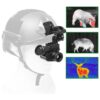
In simple terms, thermal imaging enables you to visualize the heat emitted by objects. Thermal cameras record the temperature of various objects within their view and assign colors to different temperature ranges, allowing you to see how much heat an object radiates compared to its surroundings. Colder temperatures are typically represented in shades of blue, purple, or green, while warmer temperatures are shown in red, orange, or yellow. For instance, in an image, a person may appear in shades of red, orange, and yellow, indicating they are radiating more heat than the surrounding areas, which may appear blue or purple.
Some thermal cameras utilize grayscale images, such as those used by police helicopters, to make suspects more distinguishable.
How Does Thermal Imaging Work?
Thermal cameras operate by detecting temperature through the recognition and capture of different levels of infrared light. This type of light is invisible to the human eye but can be felt as heat when its intensity is sufficient.
All objects emit some form of infrared radiation, which is a method of heat transfer. For example, if you place your hand over hot coals on a grill, those coals emit significant infrared radiation, transferring heat to your hand. Additionally, approximately half of the sun’s energy is emitted as visible light, while the remainder consists of ultraviolet and infrared light.
How Is It Different from Night Vision?
Thermal night vision is particularly useful because it can easily distinguish a person from their environment. This capability not only facilitates the identification of suspects in low-light conditions but also makes it easier to spot individuals who may blend into their surroundings during the day.
Most thermal cameras utilize longer wavelengths of infrared light, while typical night vision cameras capture shorter wavelengths and are generally less expensive to produce. Thermal cameras can detect heat by capturing these longer wavelengths.
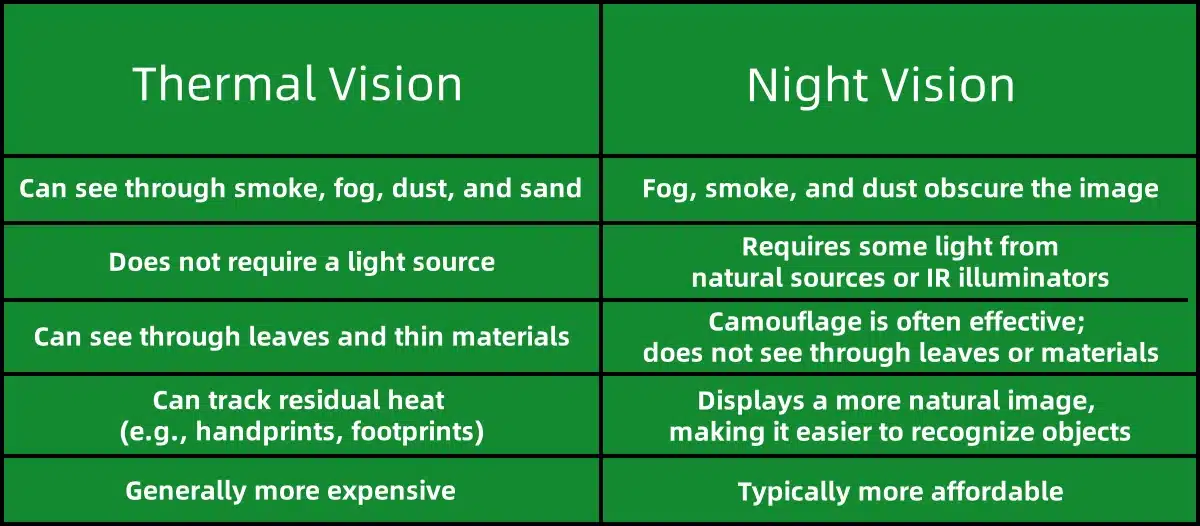
To clarify the differences, here is a comparison of thermal and night vision devices:
This information should provide a clearer understanding of thermal imaging technology and its applications in security.
Related posts
Digital Infrared Night Vision’s New Frontier: NV9000 Head-Mounted Night Vision Rangefinder
What is the NV9000 Head-Mounted Night Vision Rangefinder?The Usnighthawk NV9000 is a revolutionary night vision device t...
Thermal Imaging and Night Vision: Myths, Facts, and Best Practices
Thermal imaging and night vision technologies are powerful tools for hunters, wildlife observers, and security professio...
850nm vs 940nm Infrared: Smart Wavelength Switching Revolutionizes Night Vision Performance
Infrared Wavelength Showdown: Technical BreakdownTable: Core Performance Comparison
...

Unleashing the Power of Thermal Imaging: Exploring the BTI10 Helmet Thermal Imaging Goggles
Thermal imaging has transformed the way we perceive and interact with the world. Whether it's search-and-rescue missions...
Night Vision Technology Explained: Finding the Right Tool for Your Needs
Discover how thermal imaging, generational night vision, and digital night vision technologies compare for hunting, security, and tactical use. Make informed decisions about night vision gear.
Night Vision Technology Terms and Definitions
This Blog provides an in-depth explanation of key terms and abbreviations related to night vision technology. It covers ...
Digital Night Vision in Conflict Zones
WARNINGThe infrared LED on Usnighthawk devices is very visible to enemy night vision users. For this reason, using digit...
Buying Guide for Digital Infrared Night Vision Devices
When it comes to buying digital infrared night vision devices, there are several important factors to keep in mind to en...
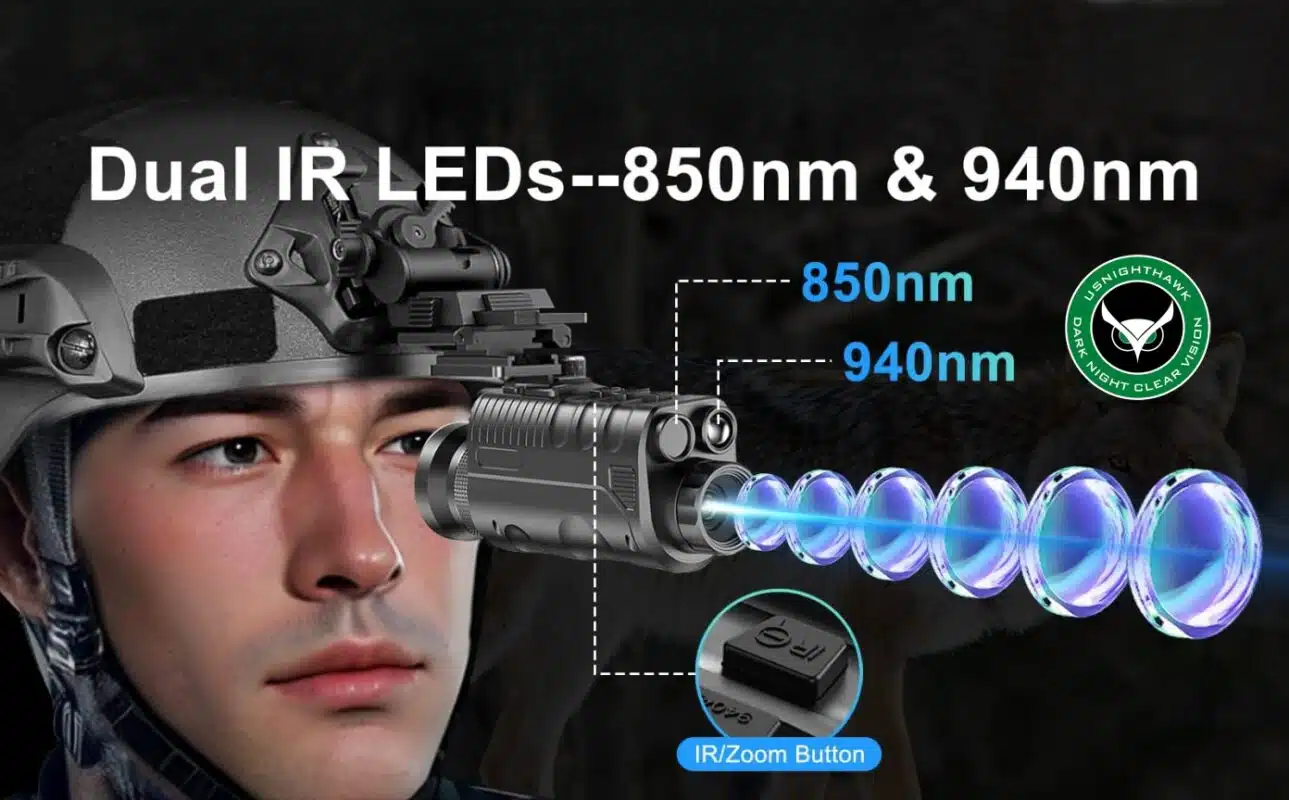
What is Night Vision IR Lights?
What is an Infrared Illuminator?An infrared illuminator, also known as an IR illuminator, is a device designed to emit l...
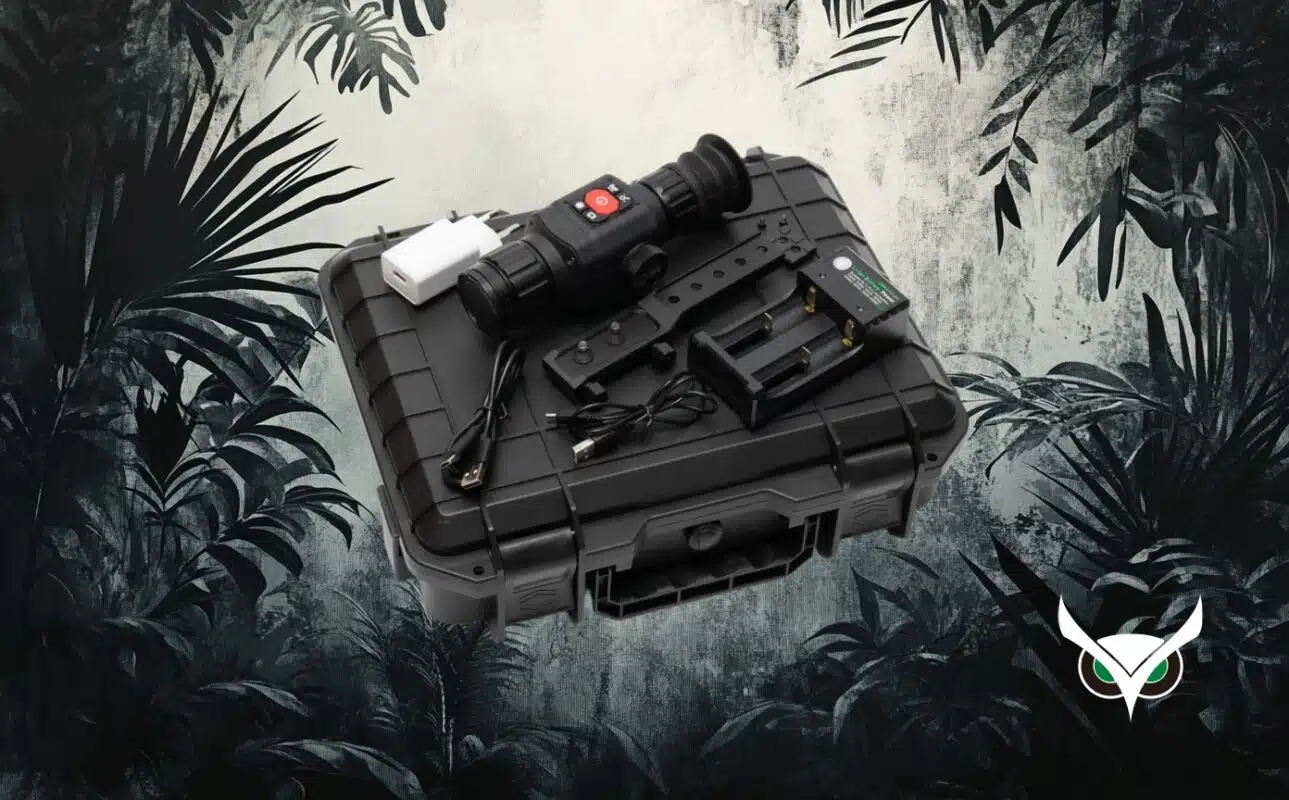
How Thermal Imaging Technology Functions?
Overview of Thermal Imaging TechnologyThermal cameras have been recognized as one of the most effective tools for detect...
How to Evade Detection by Thermal Imaging Devices?
Infrared (IR) light is invisible to the human eye, consisting of electromagnetic radiation with longer wavelengths than ...
What is The Difference Between Low-light and Night Vision Binoculars?
When the light begins to fade, or during the early hours before dawn, activities such as nature observation, hunting, wi...