
Blog
Buying Guide for Digital Infrared Night Vision Devices
When it comes to buying digital infrared night vision devices, there are several important factors to keep in mind to ensure you select the best product for your needs:
1.Resolution:
The resolution of the digital display is vital for achieving clear images. Opt for devices with a minimum resolution of 640×480 pixels, with higher resolutions such as 1280×960 or 1920×1080 being ideal for enhanced clarity.
2.Infrared Illuminator:
An infrared illuminator is crucial for improving visibility in total darkness. Make sure the device includes a built-in IR illuminator or has the option to attach one. The effectiveness of the night vision will depend on the range and power of the IR illuminator.
3.Detection Range:
The detection range indicates how far the device can see in low-light conditions. A longer detection range is particularly advantageous for activities like hunting or surveillance. Assess the specific range you require based on your intended use.
4.Battery Life:
Evaluate the battery life and the type of batteries the device requires. Longer battery life is preferable, especially for extended outdoor use. Rechargeable batteries can be a more economical and convenient choice over time.
5.Durability and Weather Resistance:
Ensure that the device is built to withstand various environmental conditions. Look for features such as water resistance, fog resistance, and rugged construction to ensure durability in harsh settings.
6.Magnification:
Magnification affects how close objects appear. While higher magnification is beneficial for detailed observation, it may reduce the field of view (FOV) and make images shakier. Balance the magnification with the FOV according to your specific needs.
7.Field of View (FOV):
A wider FOV allows for a broader view of the scene, which is especially important for activities like hunting or surveillance. Strive to find a balance between FOV and magnification for optimal performance.
8.Image Quality:
Look for devices that provide high image quality, including good contrast and clarity. Some models offer color displays during the day and switch to black-and-white or green-tinted modes at night.
9.Ease of Use:
Consider the user interface and controls of the device. It should be user-friendly, with intuitive controls and features like one-button operation and straightforward menu navigation.
10.Price:
Digital infrared night vision devices vary widely in price, ranging from a few hundred to several thousand dollars. Establish a budget and prioritize the features that matter most for your intended use.
By taking these factors into account, you can make a well-informed decision and choose a digital infrared night vision device that best meets your requirements and budget.
-25%
Select options
This product has multiple variants. The options may be chosen on the product page
NVG30 Night Vision Monocular Goggles
Rated 5.00 out of 5
$395.00 - $989.00Rango de precios: desde $395.00 hasta $989.00
Night Vision Mount L4G24 NVG Metal Helmet Mount
Rated 4.00 out of 5
$79.90
NV4000B Digitial Night Vision Goggles
Rated 5.00 out of 5
$89.90
FAST Tactical Helmet | 7mm ABS Adjustable Fit
$89.90NVG40 Helmet Night Vision Goggles
$152.00 - $243.00Rango de precios: desde $152.00 hasta $243.00NV8000 Night Vision Monocular Goggles
NV8160 Head-Mounted Night Vision Goggles
Rated 5.00 out of 5
NVG40 Pro Helmet Night Vision Goggles
Rated 5.00 out of 5
$190.00 - $259.00Rango de precios: desde $190.00 hasta $259.00
Related posts
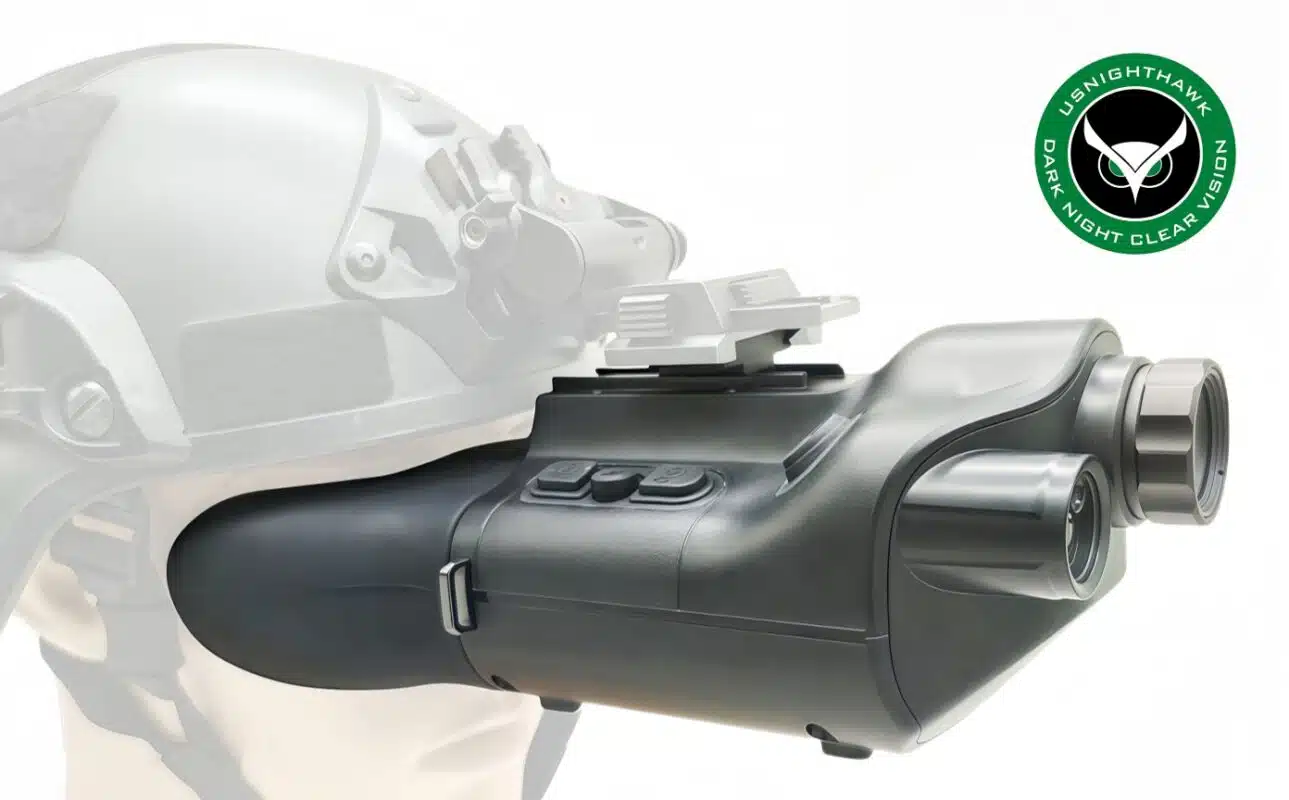
Digital Infrared Night Vision’s New Frontier: NV9000 Head-Mounted Night Vision Rangefinder
What is the NV9000 Head-Mounted Night Vision Rangefinder?The Usnighthawk NV9000 is a revolutionary night vision device t...
Thermal Imaging and Night Vision: Myths, Facts, and Best Practices
Thermal imaging and night vision technologies are powerful tools for hunters, wildlife observers, and security professio...

850nm vs 940nm Infrared: Smart Wavelength Switching Revolutionizes Night Vision Performance
Infrared Wavelength Showdown: Technical BreakdownTable: Core Performance Comparison
...

Unleashing the Power of Thermal Imaging: Exploring the BTI10 Helmet Thermal Imaging Goggles
Thermal imaging has transformed the way we perceive and interact with the world. Whether it's search-and-rescue missions...
Night Vision Technology Explained: Finding the Right Tool for Your Needs
Discover how thermal imaging, generational night vision, and digital night vision technologies compare for hunting, security, and tactical use. Make informed decisions about night vision gear.
Night Vision Technology Terms and Definitions
This Blog provides an in-depth explanation of key terms and abbreviations related to night vision technology. It covers ...

Digital Night Vision in Conflict Zones
WARNINGThe infrared LED on Usnighthawk devices is very visible to enemy night vision users. For this reason, using digit...
Buying Guide for Digital Infrared Night Vision Devices
When it comes to buying digital infrared night vision devices, there are several important factors to keep in mind to en...
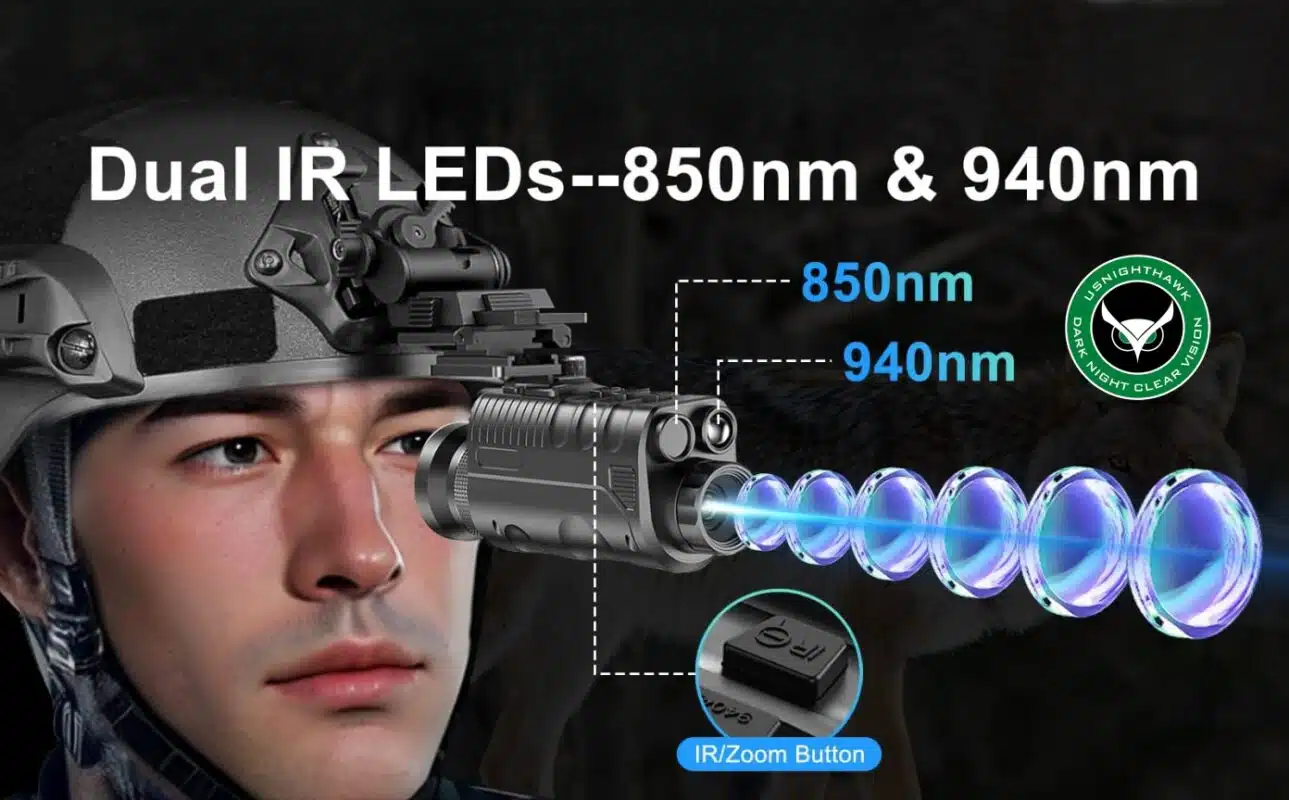
What is Night Vision IR Lights?
What is an Infrared Illuminator?An infrared illuminator, also known as an IR illuminator, is a device designed to emit l...
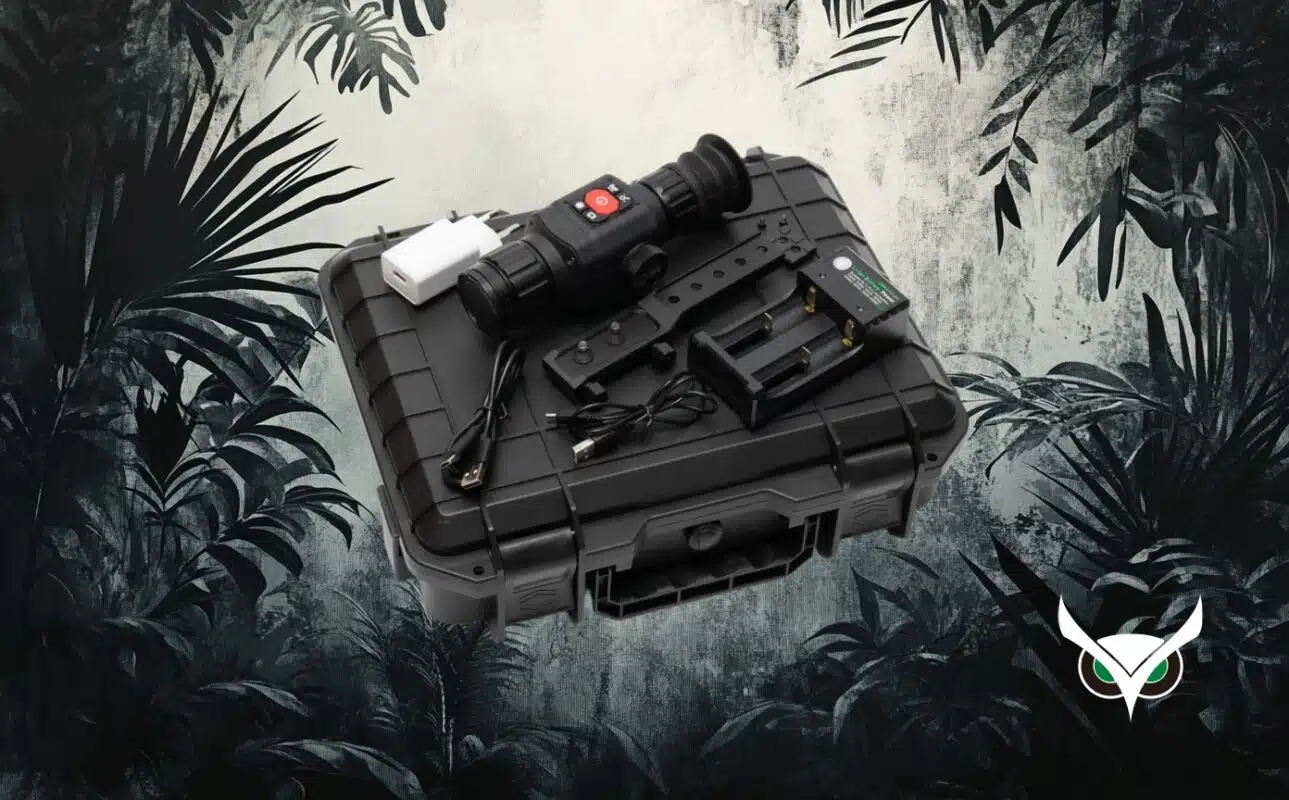
How Thermal Imaging Technology Functions?
Overview of Thermal Imaging TechnologyThermal cameras have been recognized as one of the most effective tools for detect...
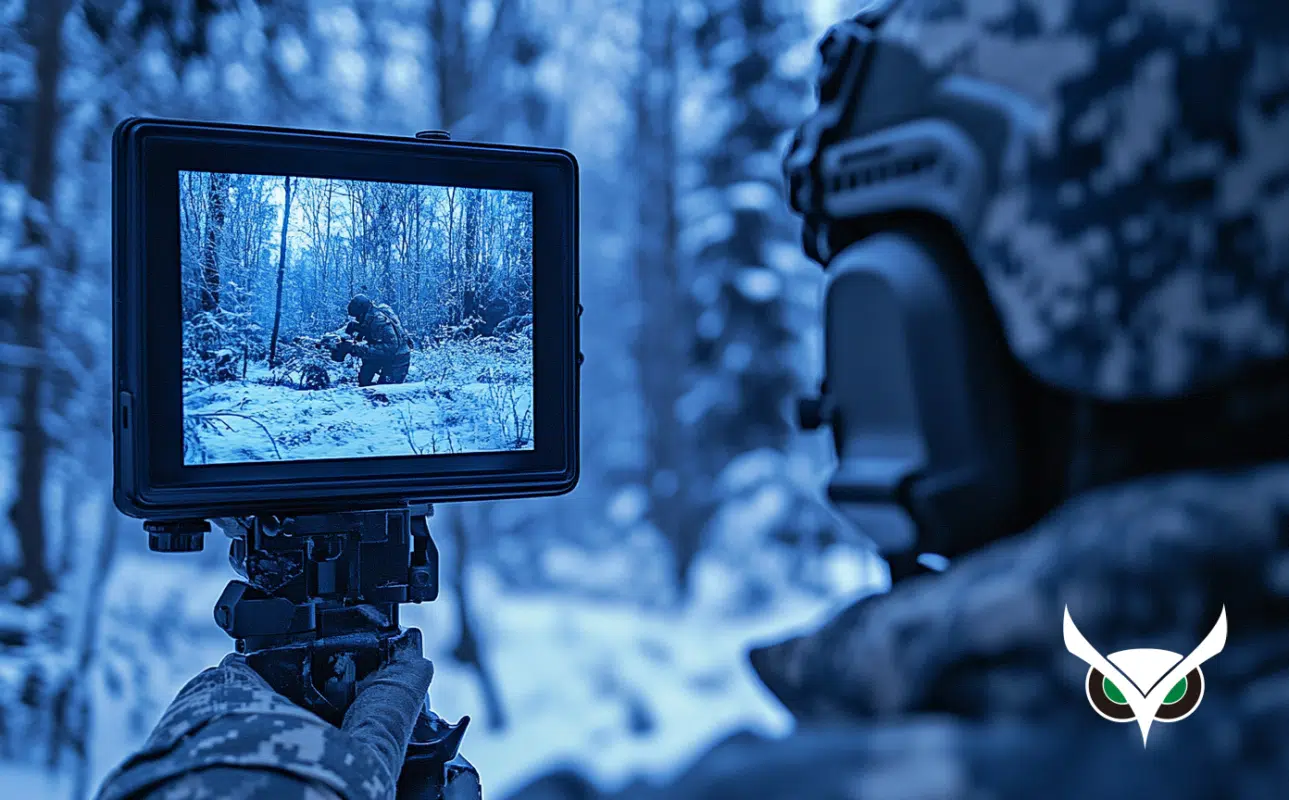
How to Evade Detection by Thermal Imaging Devices?
Infrared (IR) light is invisible to the human eye, consisting of electromagnetic radiation with longer wavelengths than ...

What is The Difference Between Low-light and Night Vision Binoculars?
When the light begins to fade, or during the early hours before dawn, activities such as nature observation, hunting, wi...