

Blog
¿Cómo evadir la detección mediante dispositivos de imágenes térmicas?

Utilice el vidrio como barrera:
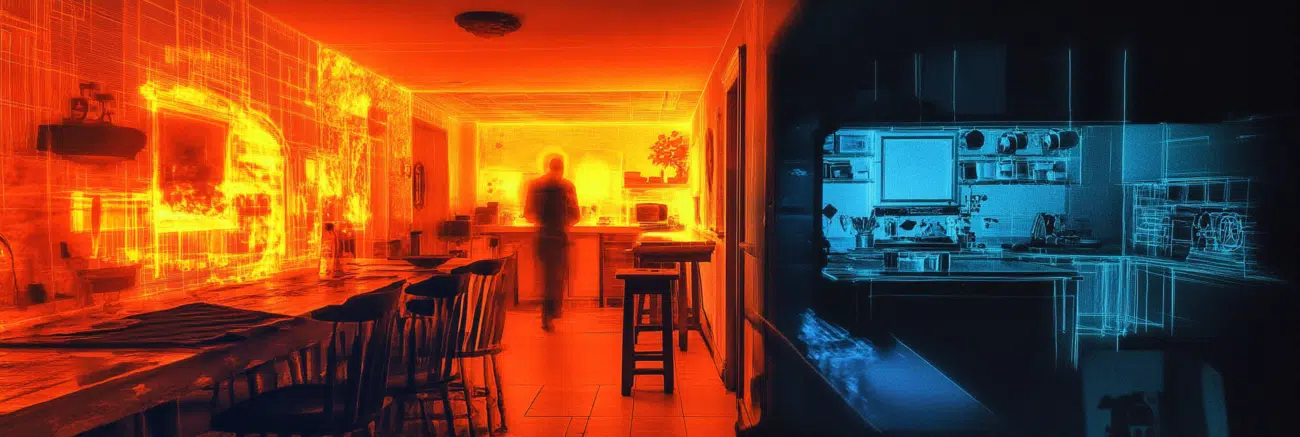
El vidrio puede bloquear la radiación infrarroja, por lo que esconderse detrás de un vidrio puede ser eficaz. Sin embargo, llevar vidrio es poco práctico, lo que hace que este método sea menos factible.
Utilice una manta espacial:
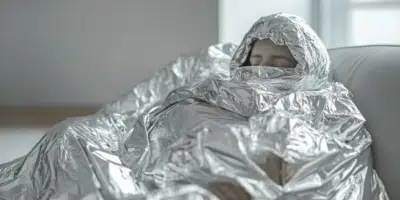
Una manta térmica hecha de lámina de Mylar puede bloquear tu señal infrarroja. Si bien el calor de tu cuerpo puede acumularse o escaparse, lo que te hace visible, una manta espacial es liviana y portátil, ideal para ocultarte a corto plazo.
Utilice una manta de lana:
Una manta de lana gruesa puede ocultar temporalmente la radiación infrarroja cubriéndose. La lana transmite mejor el calor que una manta térmica, por lo que es menos eficaz, pero sigue siendo mejor que no tener ninguna manta.

Mezclarse con el fondo:
Los distintos materiales irradian calor de forma diferente, lo que crea contrastes de temperatura que hacen que los objetos sean más visibles. Para mimetizarse, busque fondos con temperaturas cercanas a la de su cuerpo, como paredes de ladrillo o tierra desnuda en días soleados. Evite fondos uniformes como estacionamientos vacíos o nieve, que lo harán destacar.
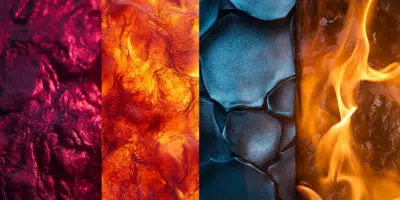
Aprovechar las fuentes de calor:
Si se sitúa cerca de fuentes de calor, como conductos de ventilación o zonas con mucha humedad, puede enmascarar el calor corporal. La humedad del agua en el aire también puede ayudar a reducir el contraste, ya que retiene una cantidad sorprendente de calor, por lo que es aconsejable permanecer cerca del agua, especialmente en climas cálidos.

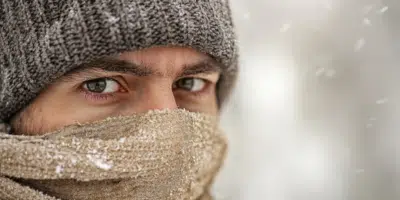
Use ropa abrigada:
Usar pantalones abrigados y un gorro puede reducir la señal de calor, aunque las zonas como el cuello y la cara seguirán emitiendo calor. Cubrirse la cara con tierra fría puede ayudar, pero es una solución temporal.
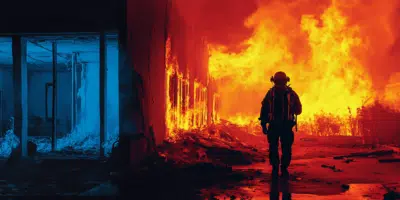
Crear múltiples fuentes de calor:
En una emergencia, prender fuego a cosas puede confundir la cámara termográfica al crear múltiples fuentes de calor y partículas ardientes que bloquean la visión del dispositivo.
Utilice una red gruesa:
Los materiales de red pueden dispersar su firma térmica, lo que dificulta la detección de infrarrojos térmicos.

Muévete lentamente:
Los dispositivos de imágenes termográficas tienen dificultades para rastrear objetos en movimiento, por lo que los movimientos lentos pueden ayudar a evitar la detección.



I’m CERTAIN the guy in the adjacent apartment has such a device ; in total darkness he somehow transmits an energy source that leaves a “heat sensation” to my head & or neck area ; this is done in total darkness , which wakes me up. I can’t prove it and have called the police and spoken to the apartment manager. Other than moving, out , please provide any solutions.
Thanks for sharing—sorry you’re dealing with this. Thermal cameras don’t emit heat; they passively detect it. If you feel warmth in the dark, it’s more likely building factors (HVAC, hot water risers, warm walls, nearby appliances) or a health/sleep issue.
Quick steps:
Move your bed away from shared walls; use a headboard/insulating panel.
Temporarily shut or redirect vents; unplug nearby chargers/adapters.
Scan walls with a basic IR thermometer to find hot spots.
Keep a simple log (time, location, weather); ask maintenance to inspect during those hours.
If it persists, consult a medical professional to rule out other causes.
From our article: thermal imagers don’t project heat—they only read it.