
Blog
What is an Infrared Illuminator?
An infrared illuminator, also known as an IR illuminator, is a device designed to emit light within the infrared spectrum. Infrared light, which is not visible to the human eye, has longer wavelengths than visible light and is perceived primarily as heat.
How Infrared Illuminators Work
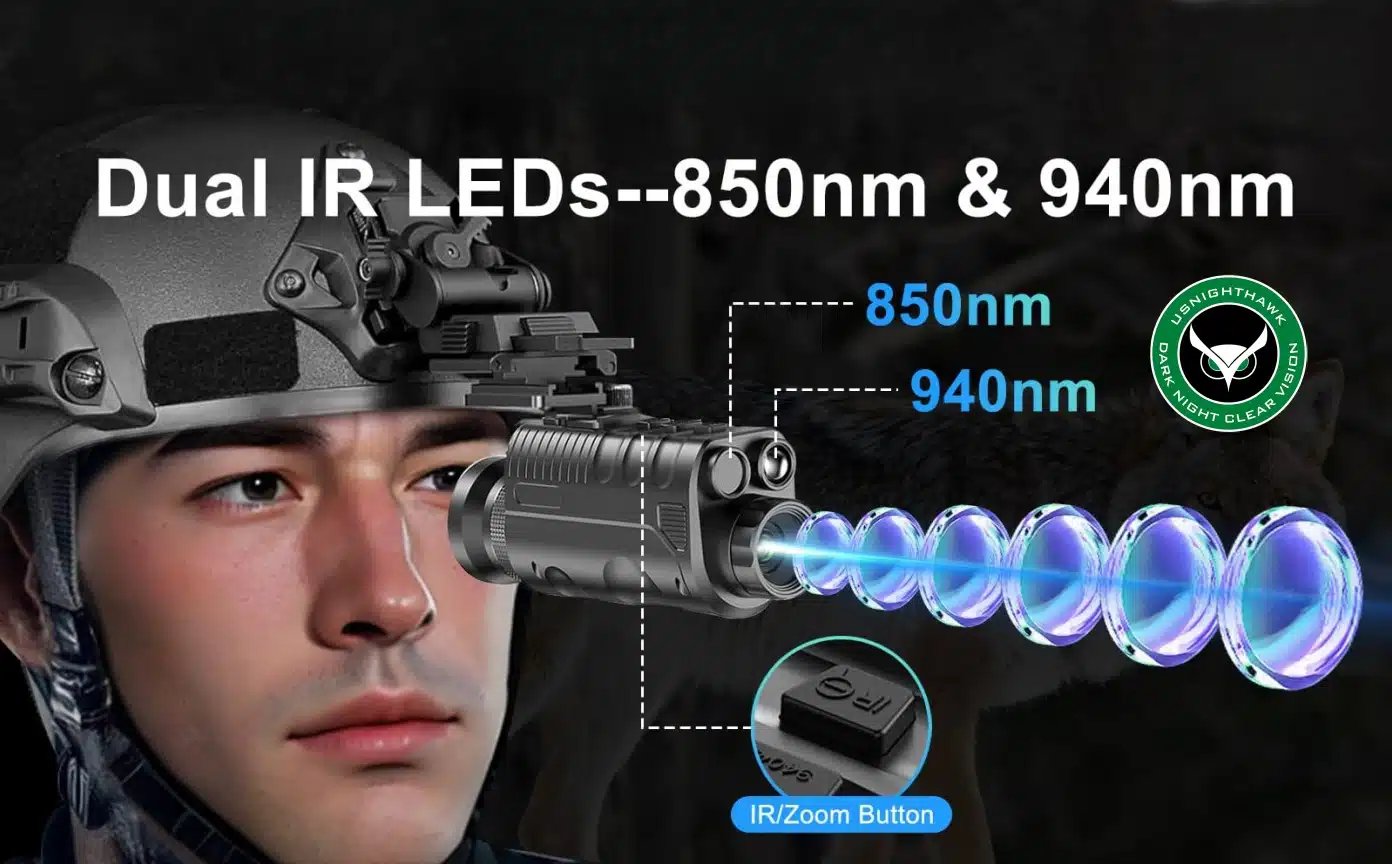
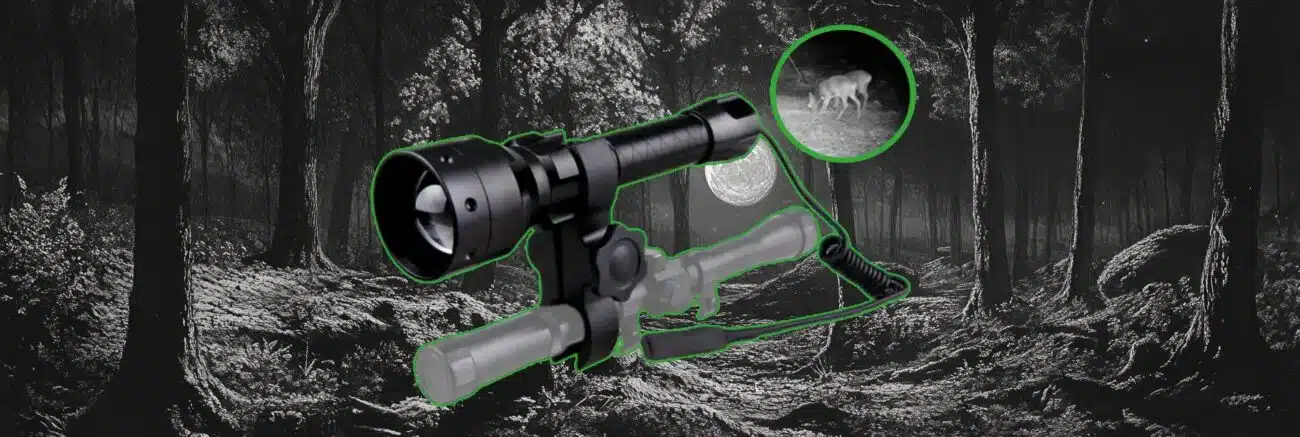
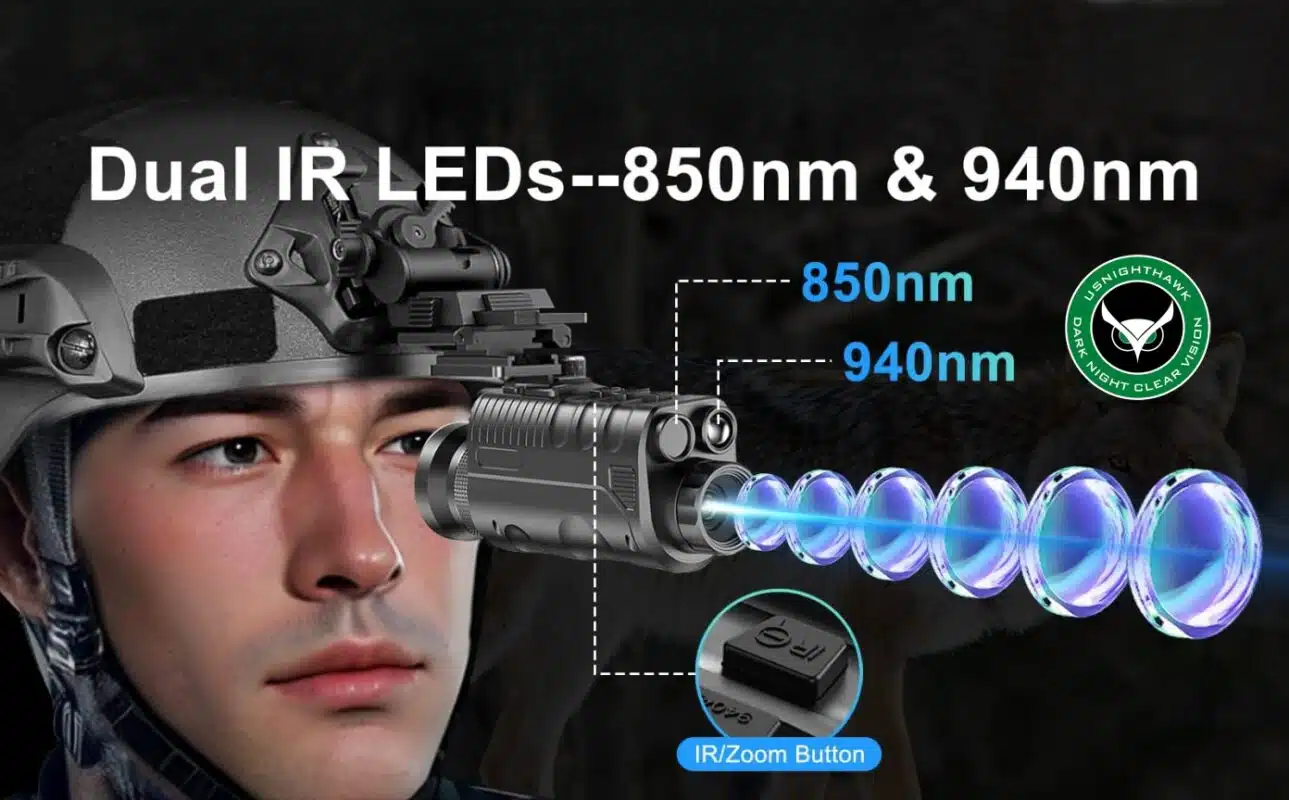
Infrared illuminators for night hunting function similarly to traditional flashlights. However, they utilize LEDs (light-emitting diodes) that emit infrared light instead of visible light. The common wavelengths for these illuminators are 850 nanometers (nm) and 940 nm.
Key Differences Between 850nm and 940nm IR Illuminators
850nm Infrared Illuminators
Range and Visibility: The 850nm illuminator is often referred to as a long-range IR light. It can effectively illuminate targets up to 250 meters away. Users may notice a faint red glow when looking directly at the illuminated area, which can be useful for spotting in low-light conditions.
Best Use Cases: Ideal for long-range shooting scenarios, making it suitable for applications where distance is key.
940nm Infrared Illuminators
Stealth Operation: The 940nm illuminator is known for its stealth capabilities, often called an invisible infrared illuminator. It emits light that is typically not visible to the naked eye, only producing a small dot from the LED.
Best Use Cases: It is recommended for close-range shooting (generally under 50 meters) where avoiding detection is crucial.
Practical Considerations for Night Hunting
Choosing the Right Illuminator:
For close-range scenarios, the 940nm option is preferable due to its low visibility.For longer distances, the 850nm illuminator is more effective, although it may lead to “whiteout” effects when illuminating dense vegetation.
Limitations of Night Vision Devices:
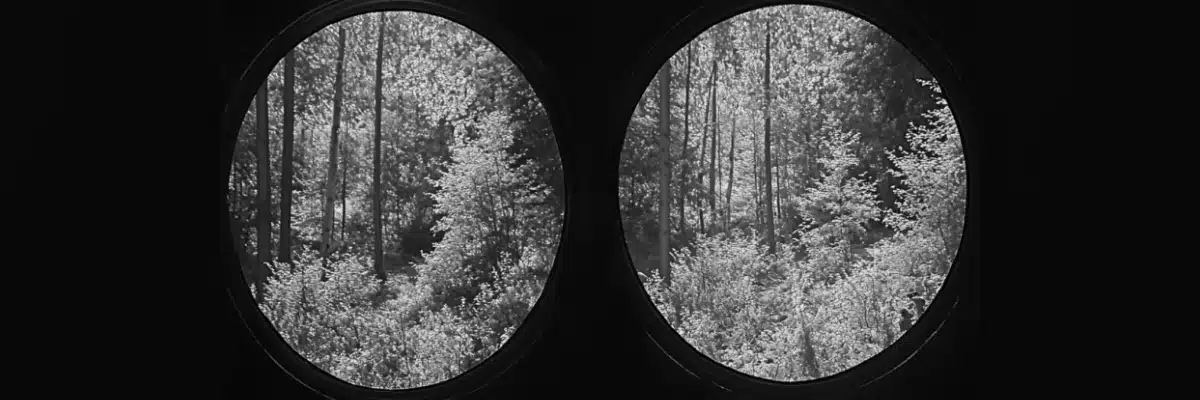
When using IR illuminators, especially at higher power, foreground objects like grass and bushes can become overexposed. This can obscure visibility of the target behind them, often resulting in a loss of detail known as “whiteout.”
The resolution of digital night vision devices can limit effective range, typically around 200-300 meters, as pixelation increases and target identification becomes challenging.
For hunters, thermal optics can be a viable substitute. Unlike night vision devices, thermal optics detect heat signatures and do not suffer from the same limitations as infrared illuminators.
Some infrared illuminators, boast impressive ranges up to one kilometer. However, practical shooting distances are often limited by the resolution of night vision devices, which may hinder effective use beyond 300 meters.
Conclusion
Selecting the right infrared illuminator for night hunting involves understanding the differences between the 850nm and 940nm options. Your choice should depend on the expected range and the need for stealth. Additionally, recognizing the limitations of digital night vision devices and exploring thermal optics can enhance your hunting experience. Always consider your specific hunting environment and requirements to make the best decision.
Related posts
Digital Infrared Night Vision’s New Frontier: NV9000 Head-Mounted Night Vision Rangefinder
What is the NV9000 Head-Mounted Night Vision Rangefinder?The Usnighthawk NV9000 is a revolutionary night vision device t...
Thermal Imaging and Night Vision: Myths, Facts, and Best Practices
Thermal imaging and night vision technologies are powerful tools for hunters, wildlife observers, and security professio...

850nm vs 940nm Infrared: Smart Wavelength Switching Revolutionizes Night Vision Performance
Infrared Wavelength Showdown: Technical BreakdownTable: Core Performance Comparison
...

Unleashing the Power of Thermal Imaging: Exploring the BTI10 Helmet Thermal Imaging Goggles
Thermal imaging has transformed the way we perceive and interact with the world. Whether it's search-and-rescue missions...
Night Vision Technology Explained: Finding the Right Tool for Your Needs
Discover how thermal imaging, generational night vision, and digital night vision technologies compare for hunting, security, and tactical use. Make informed decisions about night vision gear.
Night Vision Technology Terms and Definitions
This Blog provides an in-depth explanation of key terms and abbreviations related to night vision technology. It covers ...

Digital Night Vision in Conflict Zones
WARNINGThe infrared LED on Usnighthawk devices is very visible to enemy night vision users. For this reason, using digit...
Buying Guide for Digital Infrared Night Vision Devices
When it comes to buying digital infrared night vision devices, there are several important factors to keep in mind to en...
What is Night Vision IR Lights?
What is an Infrared Illuminator?An infrared illuminator, also known as an IR illuminator, is a device designed to emit l...
How Thermal Imaging Technology Functions?
Overview of Thermal Imaging TechnologyThermal cameras have been recognized as one of the most effective tools for detect...
How to Evade Detection by Thermal Imaging Devices?
Infrared (IR) light is invisible to the human eye, consisting of electromagnetic radiation with longer wavelengths than ...
What is The Difference Between Low-light and Night Vision Binoculars?
When the light begins to fade, or during the early hours before dawn, activities such as nature observation, hunting, wi...