
Blog
What’s The Difference Between Thermal Imaging And Infrared?
As hunting season approaches, enthusiasts and professionals alike are gearing up with the latest technology to enhance their experience. Among the most innovative advancements are thermal and infrared imaging, two distinct yet equally valuable tools for the modern hunter. This guide will take a closer look at what the differences are between thermal imaging and infrared to help you decide which is best for your hunting needs.
Understanding Thermal Imaging:
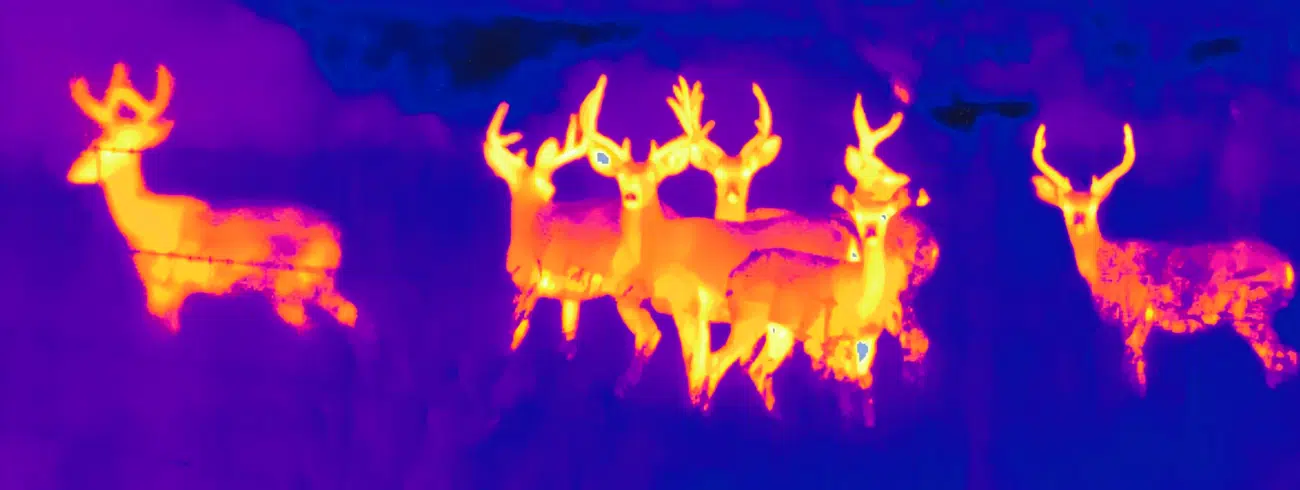
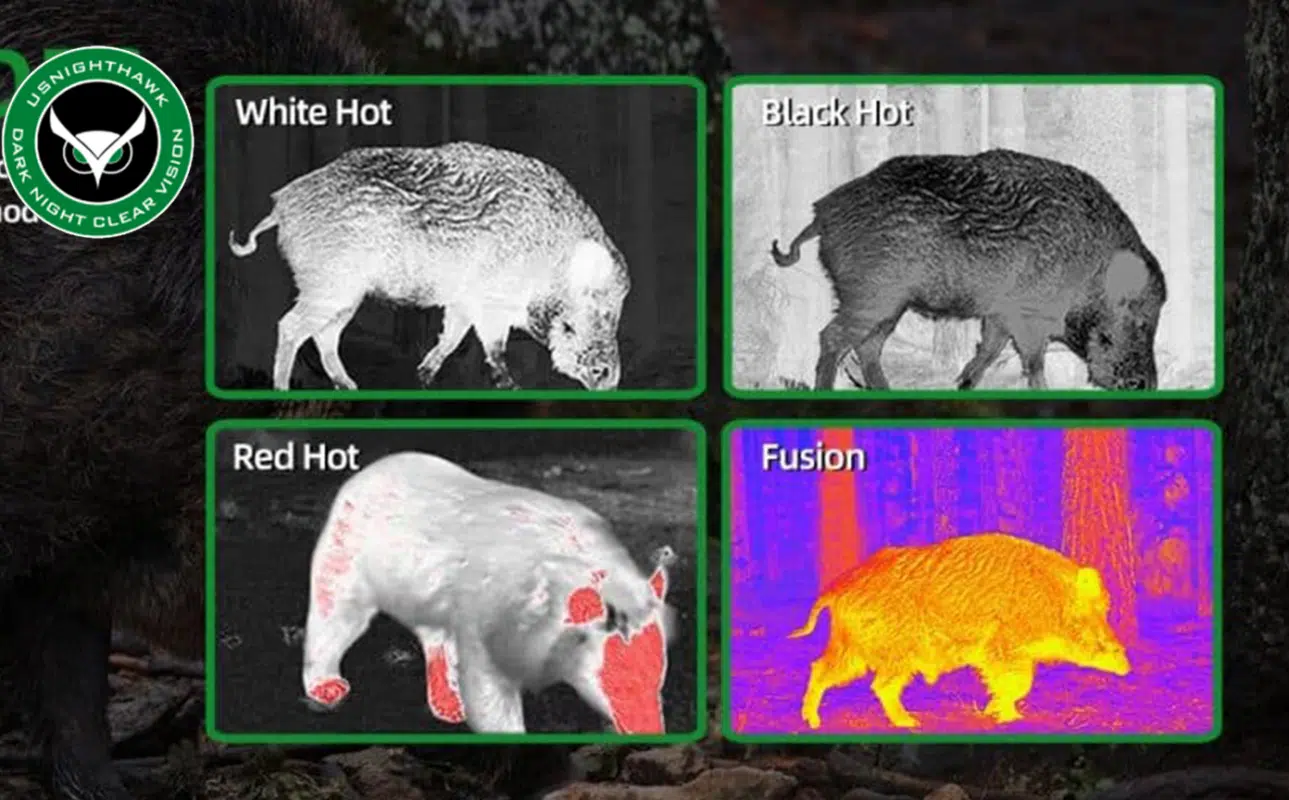
Thermal imaging is a game-changer in the realm of nighttime hunting, surveillance, and search and rescue. Unlike traditional night vision that requires some form of illumination, thermal imaging detects the heat signatures emitted by all living creatures. This allows for clear visibility in total darkness and the ability to see through environmental obstructions like fog and light foliage. With high-end thermal scopes, hunters can detect heat signatures from several hundred yards away, giving them an unprecedented advantage in spotting game over vast distances.
The Benefits of Infrared Vision:
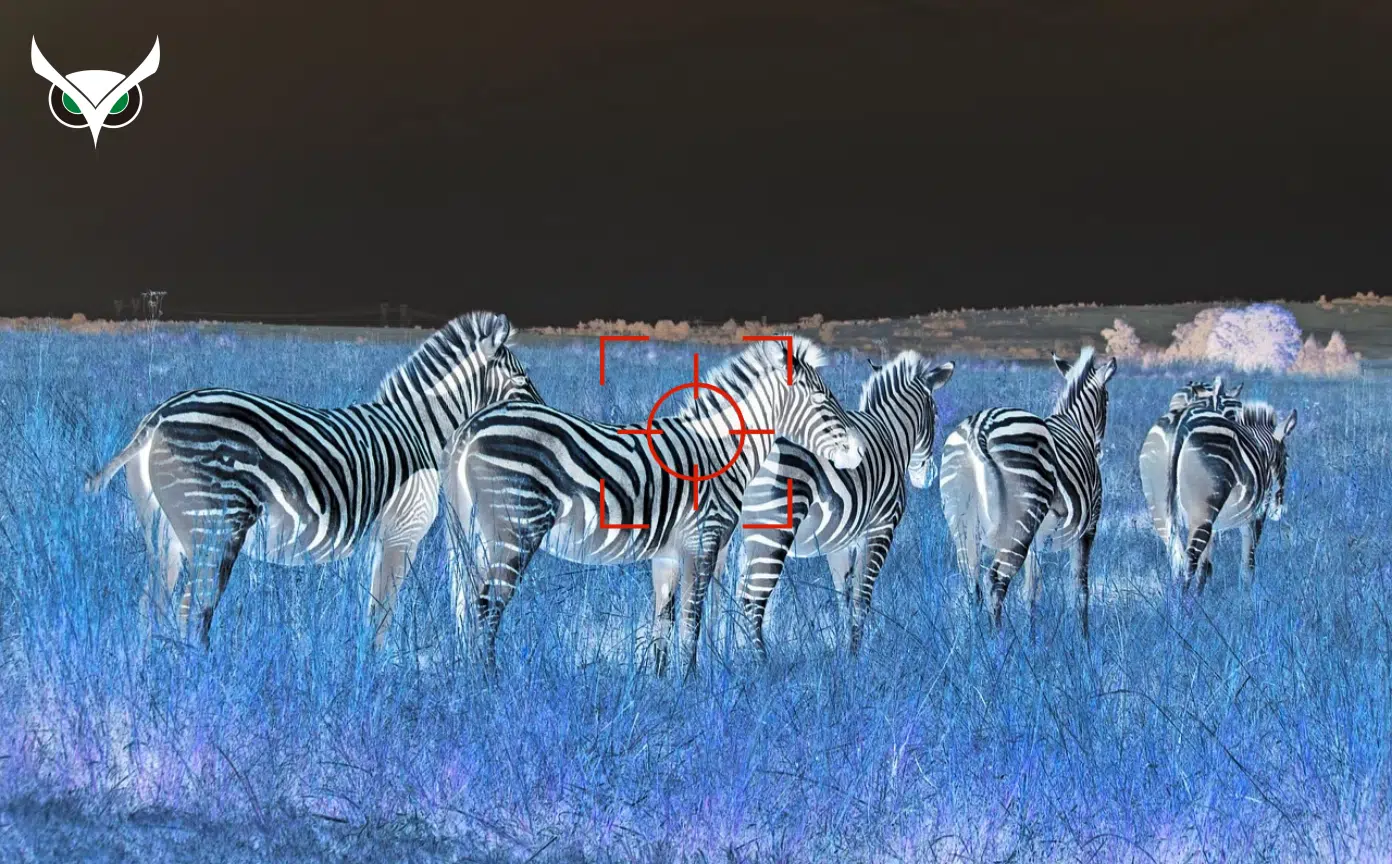
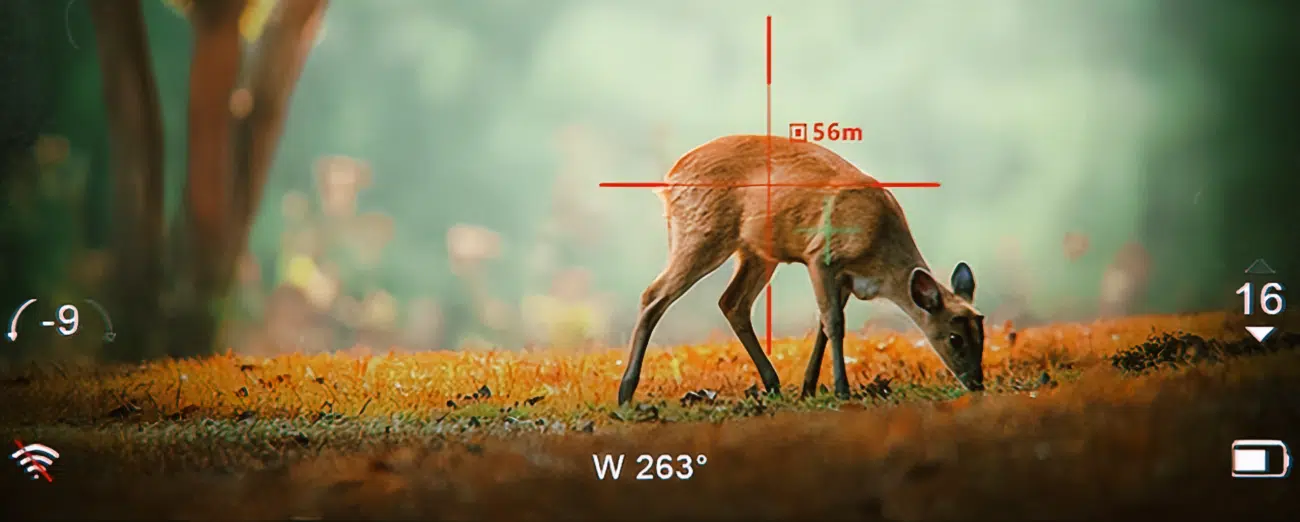
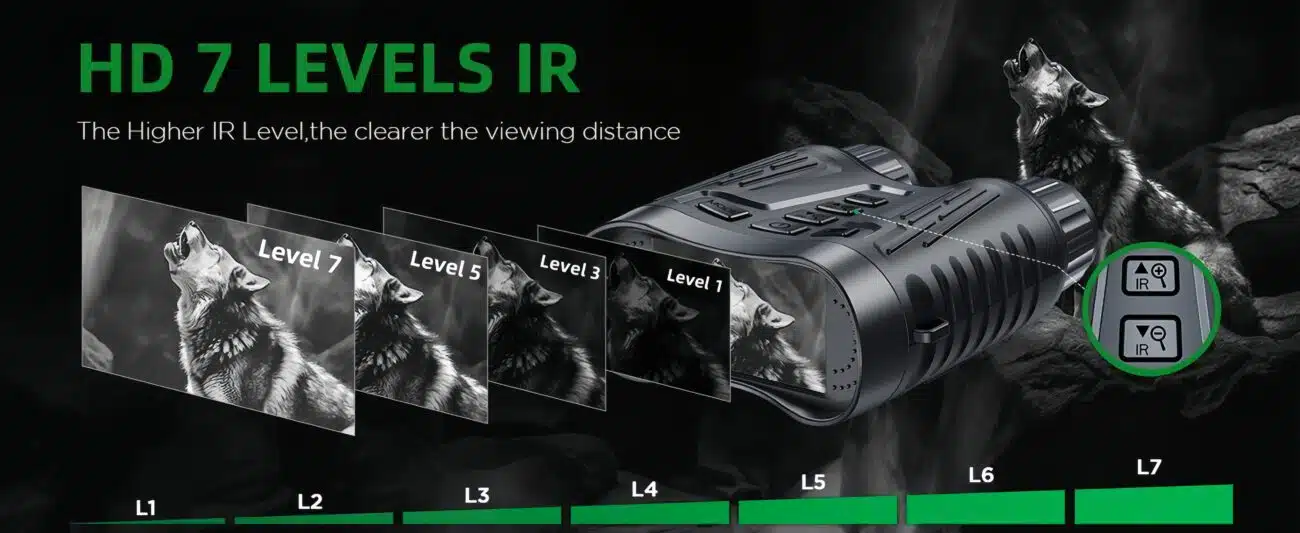
Infrared vision, commonly depicted in media through night vision goggles, operates on a different principle. It captures and amplifies the faint light waves in the near-infrared spectrum that are invisible to the naked eye. This technology relies on ambient light sources such as moonlight and starlight to create a green-tinted image that enhances visibility in low-light conditions. Infrared hunting cameras are not only more affordable than their thermal counterparts but also provide high-quality imagery, allowing hunters to see everything around them, whether it produces heat or not.
Combining Thermal and Infrared for Optimal Hunting:
Savvy hunters often leverage the strengths of both technologies for a comprehensive hunting experience. Thermal imaging is unparalleled in its ability to quickly spot game, even in dense cover and over long distances. Once a target is identified, hunters switch to infrared for a more detailed view, enabling precise aiming and shot placement. This dual-technology approach, while requiring an investment in two devices, offers the most versatile and effective solution for night hunting.
Conclusion:
Choosing between thermal and infrared imaging ultimately depends on your specific hunting requirements and preferences. Thermal imaging excels in detecting heat signatures and is ideal for initial target acquisition, while infrared provides the detail and clarity needed for final approach and shot execution. By understanding the unique advantages of each, you can make an informed decision to enhance your hunting success and enjoyment.
Related posts
Digital Infrared Night Vision’s New Frontier: NV9000 Head-Mounted Night Vision Rangefinder
What is the NV9000 Head-Mounted Night Vision Rangefinder?The Usnighthawk NV9000 is a revolutionary night vision device t...
Thermal Imaging and Night Vision: Myths, Facts, and Best Practices
Thermal imaging and night vision technologies are powerful tools for hunters, wildlife observers, and security professio...

850nm vs 940nm Infrared: Smart Wavelength Switching Revolutionizes Night Vision Performance
Infrared Wavelength Showdown: Technical BreakdownTable: Core Performance Comparison
...

Unleashing the Power of Thermal Imaging: Exploring the BTI10 Helmet Thermal Imaging Goggles
Thermal imaging has transformed the way we perceive and interact with the world. Whether it's search-and-rescue missions...
Night Vision Technology Explained: Finding the Right Tool for Your Needs
Discover how thermal imaging, generational night vision, and digital night vision technologies compare for hunting, security, and tactical use. Make informed decisions about night vision gear.
Night Vision Technology Terms and Definitions
This Blog provides an in-depth explanation of key terms and abbreviations related to night vision technology. It covers ...

Digital Night Vision in Conflict Zones
WARNINGThe infrared LED on Usnighthawk devices is very visible to enemy night vision users. For this reason, using digit...
Buying Guide for Digital Infrared Night Vision Devices
When it comes to buying digital infrared night vision devices, there are several important factors to keep in mind to en...
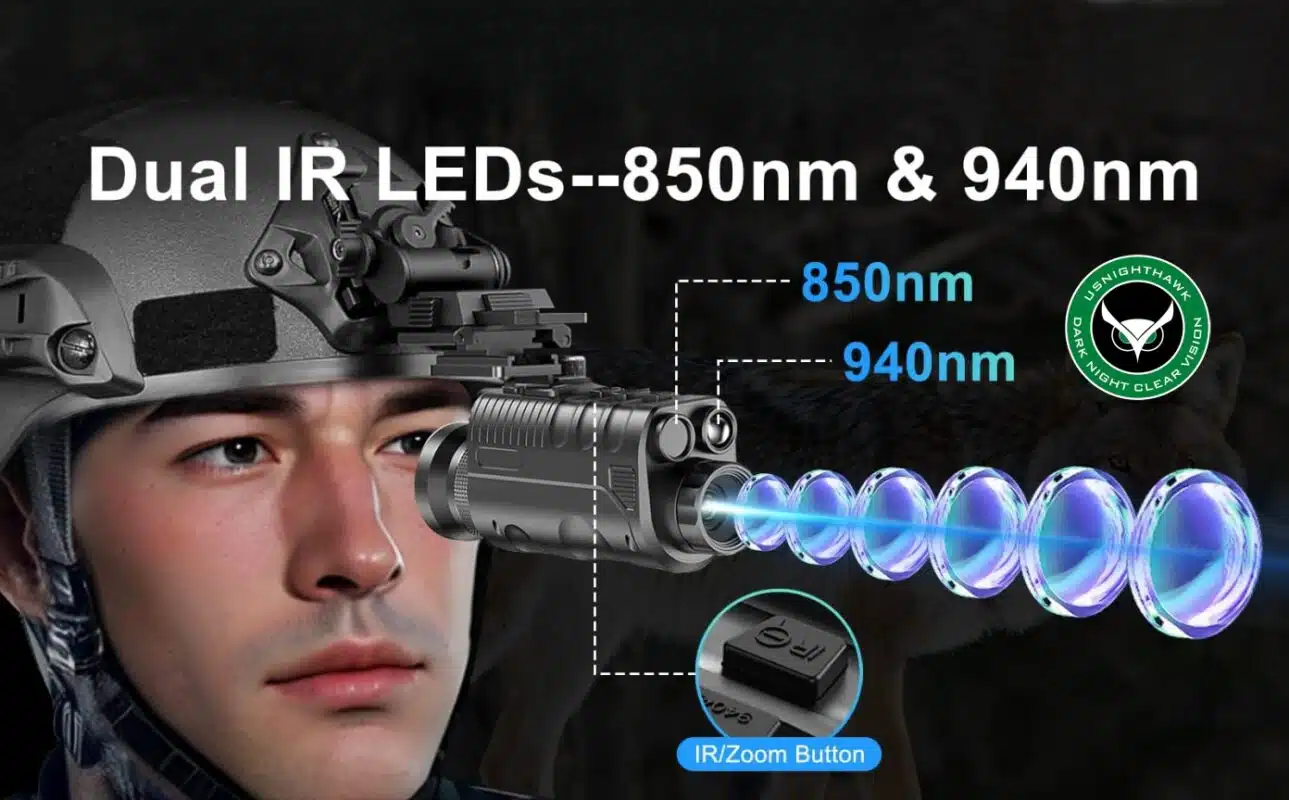
What is Night Vision IR Lights?
What is an Infrared Illuminator?An infrared illuminator, also known as an IR illuminator, is a device designed to emit l...
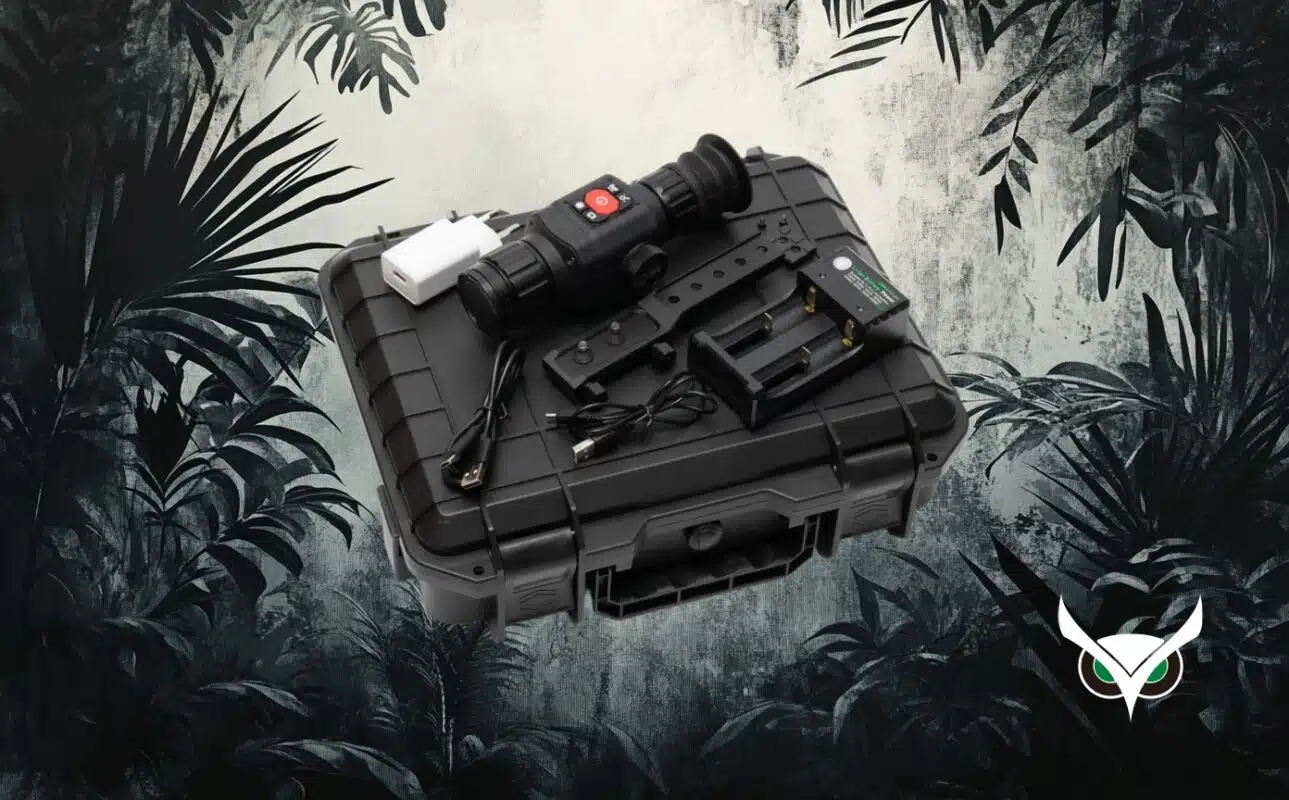
How Thermal Imaging Technology Functions?
Overview of Thermal Imaging TechnologyThermal cameras have been recognized as one of the most effective tools for detect...
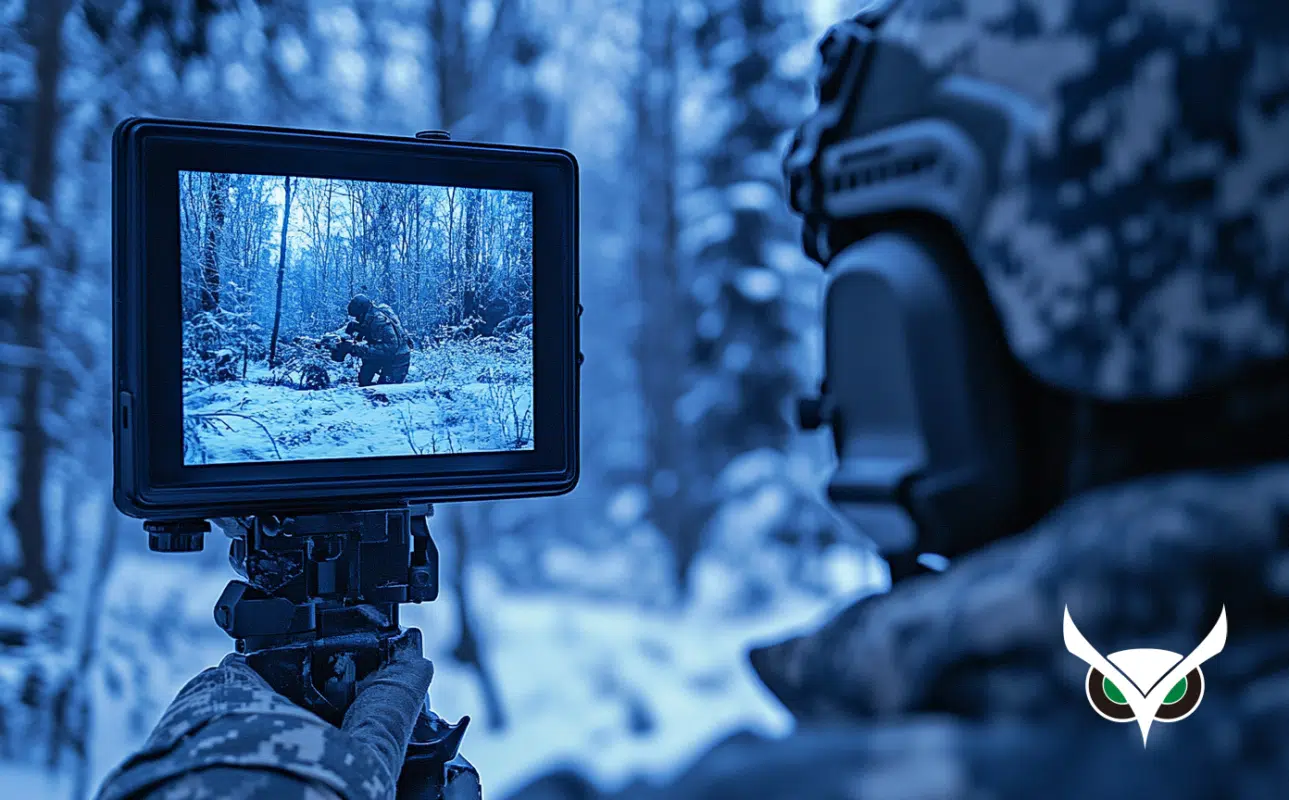
How to Evade Detection by Thermal Imaging Devices?
Infrared (IR) light is invisible to the human eye, consisting of electromagnetic radiation with longer wavelengths than ...

What is The Difference Between Low-light and Night Vision Binoculars?
When the light begins to fade, or during the early hours before dawn, activities such as nature observation, hunting, wi...