

Blogue
Como evitar a detecção por dispositivos de imagem térmica?

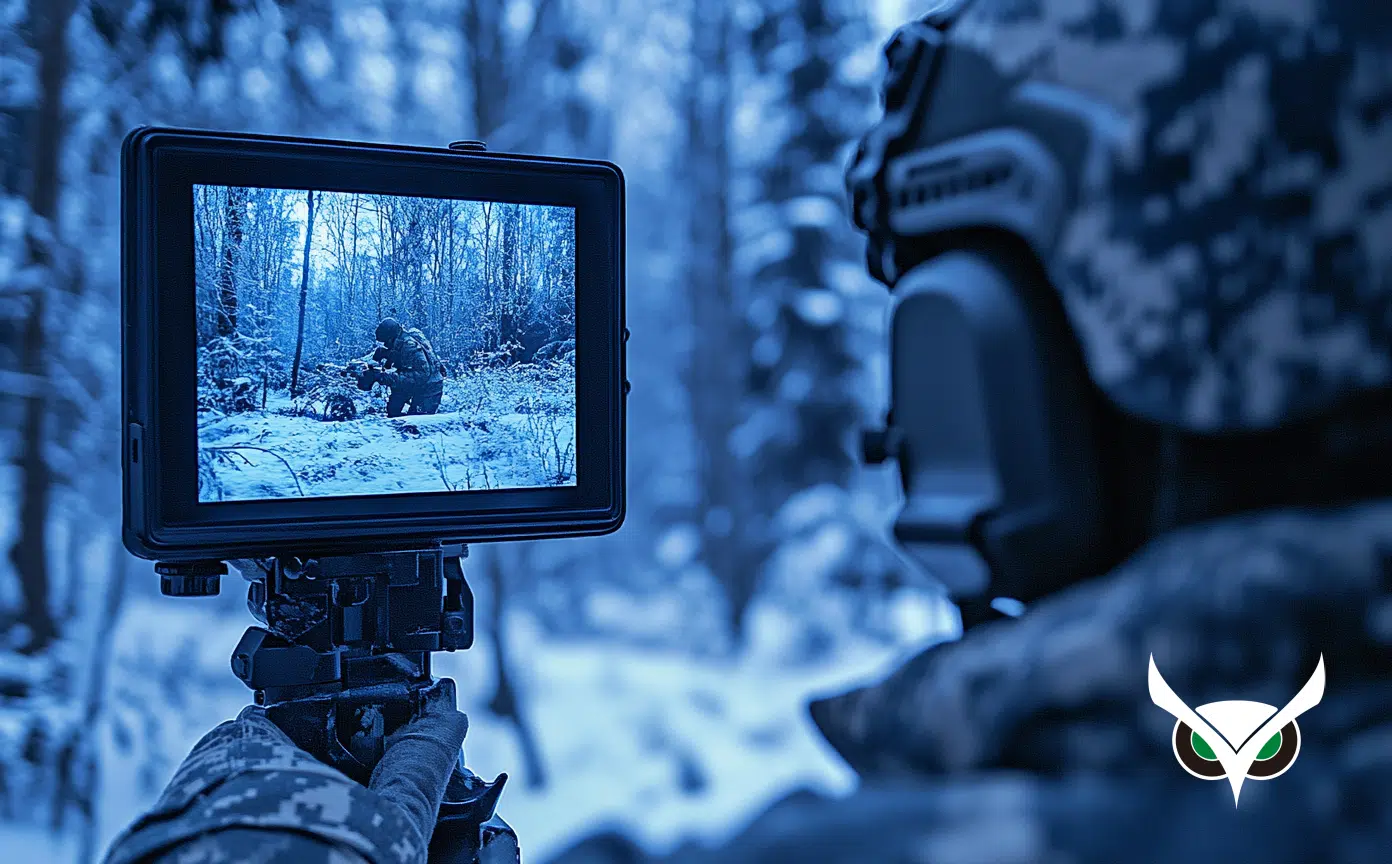
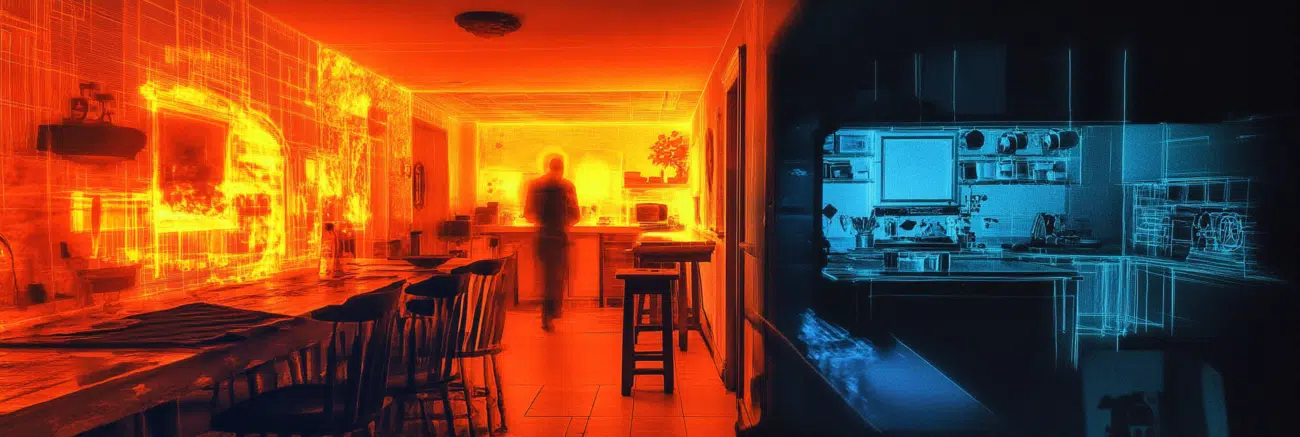
Use o vidro como barreira:
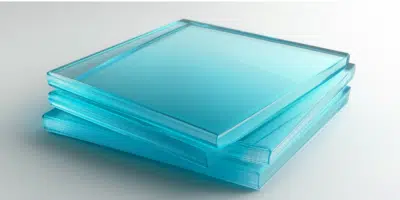
O vidro pode bloquear a radiação IR, então se esconder atrás do vidro pode ser eficaz. No entanto, carregar vidro é impraticável, tornando esse método menos viável.
Empregue um cobertor espacial:
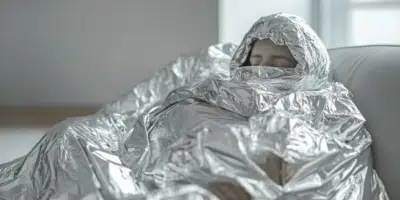
Um cobertor térmico feito de folha de Mylar pode bloquear sua assinatura infravermelha. Enquanto o calor do seu corpo pode se acumular ou escapar, tornando você visível, um cobertor espacial é leve e portátil, ideal para ocultação de curto prazo.
Utilize um cobertor de lã:
Um cobertor grosso de lã pode esconder temporariamente sua radiação infravermelha cobrindo você. A lã transmite calor melhor do que um cobertor espacial, tornando-o menos eficaz, mas ainda melhor do que nenhuma cobertura.

Mesclar com o fundo:
Diferentes materiais irradiam calor de forma diferente, criando contrastes de temperatura que tornam os objetos mais visíveis. Para se misturar, encontre fundos com temperaturas próximas às do seu corpo, como paredes de tijolos ou terra nua em dias ensolarados. Evite fundos uniformes como estacionamentos vazios ou neve, que fazem você se destacar.
Explorar fontes de calor:
Posicionar-se perto de fontes de calor, como saídas de ar ou áreas com alta umidade da água, pode mascarar o calor do seu corpo. A umidade da água no ar também pode ajudar a diminuir seu contraste, retendo uma quantidade surpreendente de calor, então ficar perto da água, especialmente em climas quentes, é aconselhável.

Use roupas quentes:
Usar calças quentes e um chapéu pode reduzir sua assinatura de calor, embora aberturas como o pescoço e o rosto ainda emitam calor. Cobrir seu rosto com terra fria pode ajudar, mas é uma solução temporária.
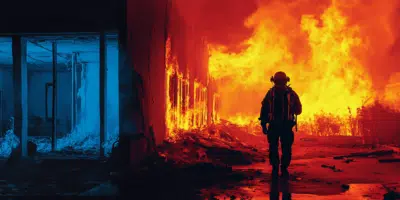
Crie várias fontes de calor:
Em uma emergência, atear fogo em objetos pode confundir o termovisor, criando múltiplas fontes de calor e partículas em chamas que bloqueiam a visão do dispositivo.
Use uma rede grossa:
Materiais de rede podem dispersar sua assinatura de calor, dificultando a detecção térmica por infravermelho.
Mova-se lentamente:
Dispositivos de imagem térmica têm dificuldade em rastrear objetos em movimento, então movimentos lentos podem ajudar a evitar a detecção.


Tenho CERTEZA de que o cara do apartamento ao lado tem um aparelho desses; na escuridão total, ele de alguma forma transmite uma fonte de energia que causa uma sensação de calor na minha cabeça e/ou pescoço; isso acontece na escuridão total, o que me acorda. Não consigo provar e já chamei a polícia e falei com o gerente do prédio. Além de me mudar, por favor, me dê alguma solução.
Obrigado por compartilhar — sinto muito que você esteja passando por isso. As câmeras térmicas não emitem calor; elas o detectam passivamente. Se você sente calor no escuro, é mais provável que seja devido a fatores relacionados à construção (sistema de climatização, tubulações de água quente, paredes quentes, eletrodomésticos próximos) ou a um problema de saúde/sono.
Passos rápidos:
Afastar a cama das paredes compartilhadas; usar uma cabeceira/painel isolante.
Feche ou redirecione temporariamente as saídas de ar; desconecte os carregadores/adaptadores próximos.
Use um termômetro infravermelho básico para examinar as paredes e encontrar pontos quentes.
Mantenha um registro simples (hora, local, clima); solicite à equipe de manutenção que faça uma inspeção durante esses horários.
Se o problema persistir, consulte um profissional médico para descartar outras causas.
Do nosso artigo: as câmeras termográficas não projetam calor — elas apenas o leem.