

Blog
How to Evade Detection by Thermal Imaging Devices?

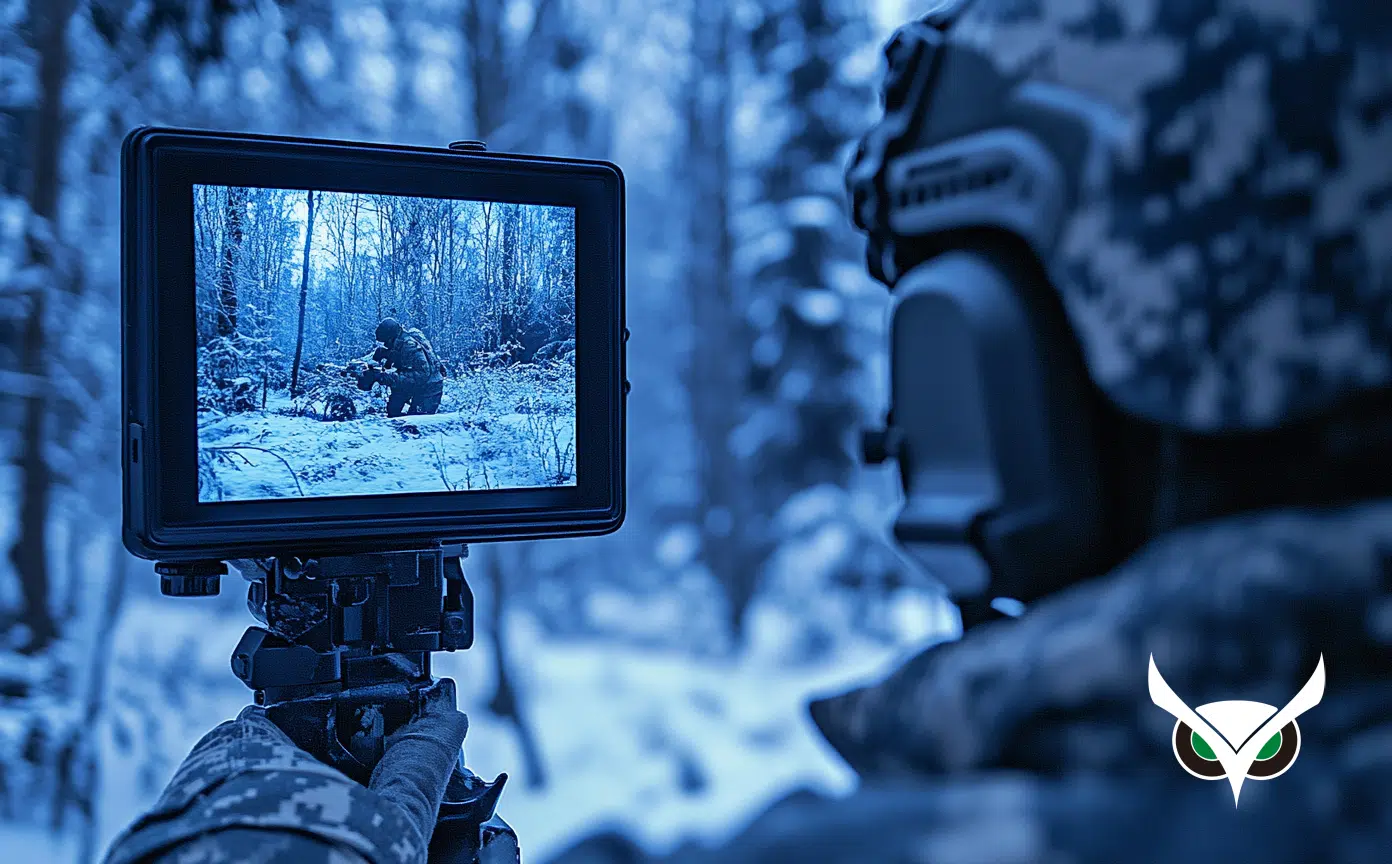
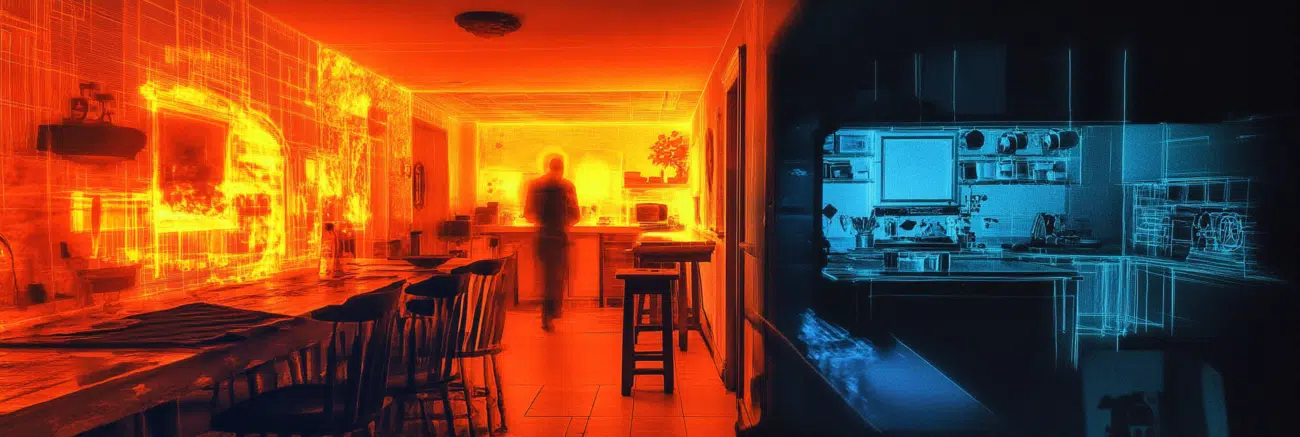
Use Glass as a Barrier:
Glass can block IR radiation, so hiding behind glass can be effective. However, carrying glass is impractical, making this method less feasible.
Employ a Space Blanket:
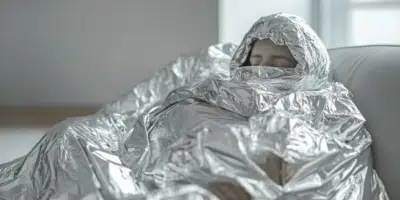
A thermal blanket made of Mylar foil can block your infrared signature. While your body heat may accumulate or escape, making you visible, a space blanket is lightweight and portable, ideal for short-term concealment.
Utilize a Woolen Blanket:
A thick woolen blanket can temporarily hide your infrared radiation by covering yourself. Wool transmits heat better than a space blanket, making it less effective but still better than no cover at all.

Blend with the Background:
Different materials radiate heat differently, creating temperature contrasts that make objects more visible. To blend in, find backgrounds with temperatures close to your body’s, such as brick walls or bare earth on sunny days. Avoid uniform backgrounds like empty parking lots or snow, which make you stand out.
Exploit Heat Sources:
Positioning yourself near heat sources like air vents or areas with high water moisture can mask your body heat. Water moisture in the air can also help lower your contrast by holding a surprising amount of heat, so staying near water, especially in warm weather, is advisable.

Wear Warm Clothing:
Wearing warm pants and a hat can reduce your heat signature, though openings like the neck and face will still emit heat. Covering your face with cool dirt can help, but it’s a temporary solution.

Create Multiple Heat Sources:
In an emergency, setting things on fire can confuse the thermal imager by creating multiple heat sources and burning particles that block the device’s view.

Use Thick Netting:
Netting materials can disperse your heat signature, making it harder for thermal IR detection.

Move Slowly:
Thermal imaging devices have difficulty tracking moving objects, so slow movements can help avoid detection.



I’m CERTAIN the guy in the adjacent apartment has such a device ; in total darkness he somehow transmits an energy source that leaves a “heat sensation” to my head & or neck area ; this is done in total darkness , which wakes me up. I can’t prove it and have called the police and spoken to the apartment manager. Other than moving, out , please provide any solutions.
Thanks for sharing—sorry you’re dealing with this. Thermal cameras don’t emit heat; they passively detect it. If you feel warmth in the dark, it’s more likely building factors (HVAC, hot water risers, warm walls, nearby appliances) or a health/sleep issue.
Quick steps:
Move your bed away from shared walls; use a headboard/insulating panel.
Temporarily shut or redirect vents; unplug nearby chargers/adapters.
Scan walls with a basic IR thermometer to find hot spots.
Keep a simple log (time, location, weather); ask maintenance to inspect during those hours.
If it persists, consult a medical professional to rule out other causes.
From our article: thermal imagers don’t project heat—they only read it.