

Der Blog

Verwenden Sie Glas als Barriere:
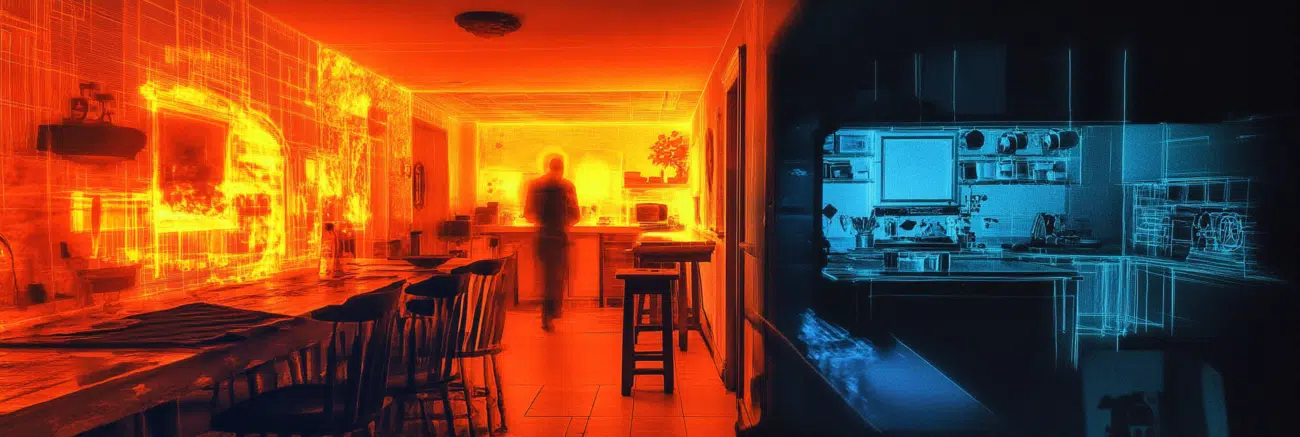
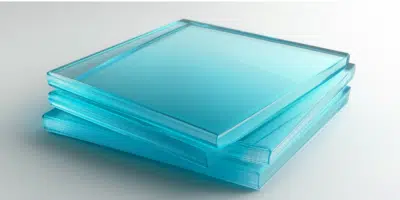
Glas kann IR-Strahlung blockieren, daher kann es effektiv sein, sich hinter Glas zu verstecken. Allerdings ist es unpraktisch, Glas mit sich herumzutragen, was diese Methode weniger praktikabel macht.
Verwenden Sie eine Rettungsdecke:
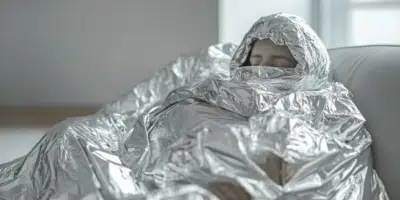
Eine Wärmedecke aus Mylar-Folie kann Ihre Infrarotsignatur blockieren. Während sich Ihre Körperwärme ansammeln oder entweichen kann und Sie sichtbar werden, ist eine Rettungsdecke leicht und tragbar und ideal für eine kurzfristige Tarnung.
Verwenden Sie eine Wolldecke:
Eine dicke Wolldecke kann Ihre Infrarotstrahlung vorübergehend verbergen, indem Sie sich zudecken. Wolle leitet Wärme besser als eine Rettungsdecke, was sie weniger effektiv macht, aber immer noch besser als gar keine Decke.

Mit dem Hintergrund verschmelzen:
Verschiedene Materialien strahlen Wärme unterschiedlich ab, wodurch Temperaturkontraste entstehen, die Objekte besser sichtbar machen. Um sich anzupassen, suchen Sie sich Hintergründe mit Temperaturen, die denen Ihres Körpers nahe kommen, wie z. B. Ziegelwände oder nackte Erde an sonnigen Tagen. Vermeiden Sie einheitliche Hintergründe wie leere Parkplätze oder Schnee, die Sie hervorstechen lassen.
Wärmequellen ausnutzen:
Wenn Sie sich in der Nähe von Wärmequellen wie Lüftungsöffnungen oder Bereichen mit hoher Wasserfeuchtigkeit aufhalten, kann dies Ihre Körperwärme verbergen. Wasserfeuchtigkeit in der Luft kann auch dazu beitragen, Ihren Kontrast zu verringern, da sie überraschend viel Wärme speichert. Daher ist es ratsam, sich in der Nähe von Wasser aufzuhalten, insbesondere bei warmem Wetter.

Tragen Sie warme Kleidung:
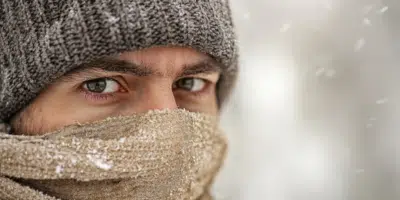
Das Tragen warmer Hosen und einer Mütze kann Ihre Wärmesignatur verringern, obwohl Körperöffnungen wie Hals und Gesicht immer noch Wärme abgeben. Das Bedecken Ihres Gesichts mit kühler Erde kann helfen, ist aber nur eine vorübergehende Lösung.
Erstellen Sie mehrere Wärmequellen:
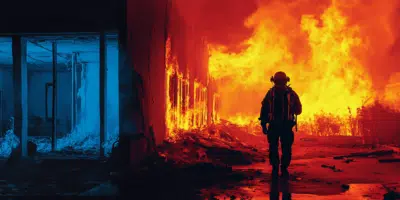
Im Notfall kann das Anzünden von Gegenständen die Wärmebildkamera verwirren, da dadurch mehrere Wärmequellen und brennende Partikel entstehen, die die Sicht des Geräts blockieren.
Verwenden Sie ein dickes Netz:
Netzmaterialien können Ihre Wärmesignatur zerstreuen und so die thermische IR-Erkennung erschweren.
Bewegen Sie sich langsam:
Wärmebildgeräte haben Schwierigkeiten, bewegte Objekte zu verfolgen, daher können langsame Bewegungen helfen, einer Entdeckung zu entgehen.
Related posts
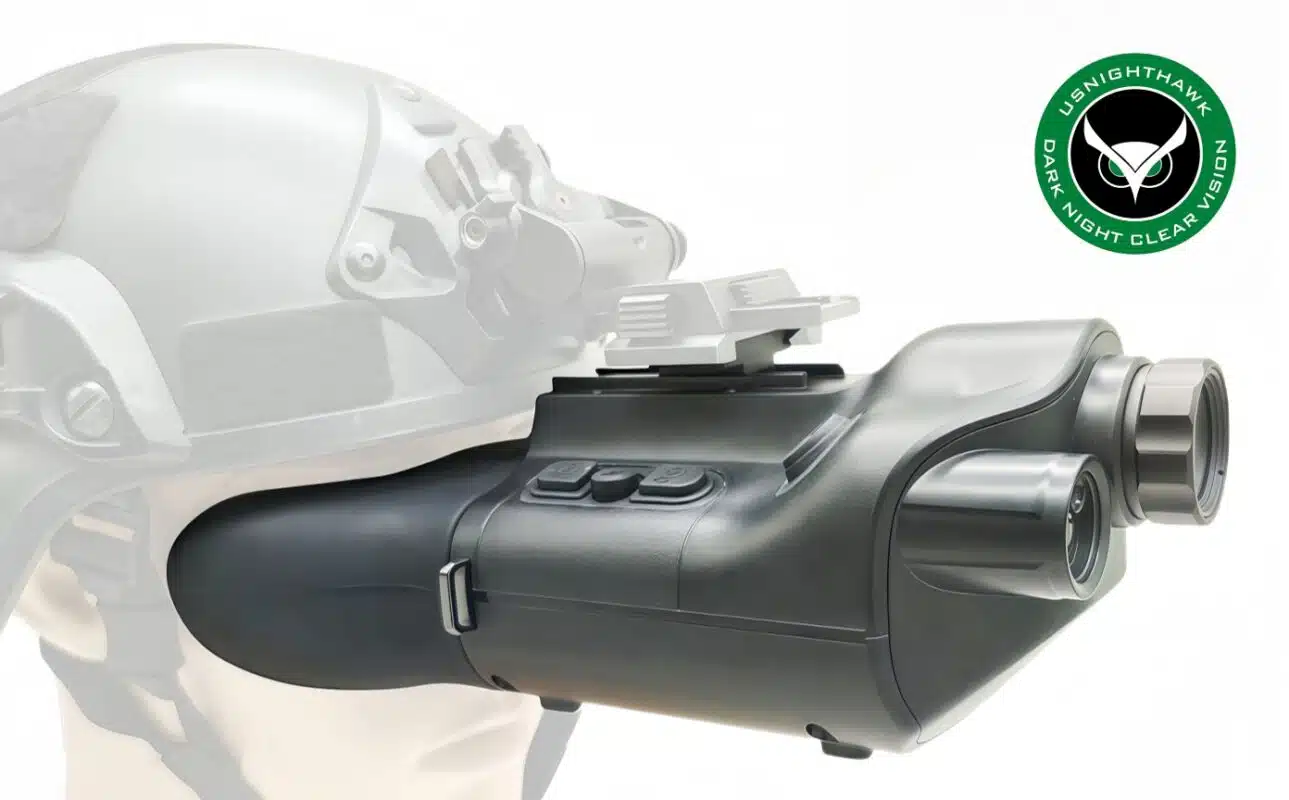
Die neue Grenze der digitalen Infrarot-Nachtsicht: NV9000, am Kopf getragener Nachtsicht-Entfernungsmesser

Was ist der am Kopf montierte Nachtsicht-Entfernungsmesser NV9000? Der Usnighthawk NV9000 ist ein revolutionäres Nachtsichtgerät, das …
Wärmebildgebung und Nachtsicht: Mythen, Fakten und bewährte Verfahren
Wärmebild- und Nachtsichttechnologien sind leistungsstarke Werkzeuge für Jäger, Wildtierbeobachter und Sicherheitsexperten ...
850 nm vs. 940 nm Infrarot: Intelligente Wellenlängenumschaltung revolutioniert die Nachtsichtleistung
Showdown der Infrarot-Wellenlängen: Technische Aufschlüsselung. Tabelle: Vergleich der Kernleistung ...

Die Kraft der Wärmebildgebung entfesseln: Entdecken Sie die Wärmebildbrille BTI10 für Helme
Die Wärmebildtechnik hat unsere Wahrnehmung und Interaktion mit der Welt grundlegend verändert. Ob bei Such- und Rettungsmissionen...
Nachtsichttechnologie erklärt: Finden Sie das richtige Werkzeug für Ihre Anforderungen

Entdecken Sie, wie sich Wärmebildtechnik, Nachtsichtgeräte und digitale Nachtsichttechnologien bei der Jagd, bei der Sicherheit und bei taktischen Einsätzen vergleichen lassen. Treffen Sie fundierte Entscheidungen über Nachtsichtausrüstung.
Begriffe und Definitionen zur Nachtsichttechnologie
In diesem Blog finden Sie eine ausführliche Erklärung der wichtigsten Begriffe und Abkürzungen im Zusammenhang mit Nachtsichttechnologie. Es behandelt ...
Digitale Nachtsicht in Konfliktgebieten
WARNUNGDie Infrarot-LED auf Usnighthawk-Geräten ist für feindliche Nachtsichtnutzer gut sichtbar. Aus diesem Grund ist die Verwendung von Digitalkameras ...
Kaufratgeber für digitale Infrarot-Nachtsichtgeräte
Beim Kauf digitaler Infrarot-Nachtsichtgeräte müssen Sie mehrere wichtige Faktoren berücksichtigen, um sicherzustellen, dass Sie ...
Was sind Nachtsicht-IR-Lichter?
Was ist ein Infrarotstrahler? Ein Infrarotstrahler, auch IR-Strahler genannt, ist ein Gerät, das Licht aussendet...
Wie funktioniert die Wärmebildtechnologie?
Überblick über die WärmebildtechnologieWärmebildkameras gelten als eines der wirksamsten Werkzeuge zur Erkennung...
Wie kann man der Erkennung durch Wärmebildgeräte entgehen?
Infrarotlicht (IR) ist für das menschliche Auge unsichtbar und besteht aus elektromagnetischer Strahlung mit längeren Wellenlängen als ...
Was ist der Unterschied zwischen einem Fernglas für schwaches Licht und einem Nachtsichtfernglas?
Wenn das Licht zu schwinden beginnt oder in den frühen Morgenstunden vor der Dämmerung können Aktivitäten wie Naturbeobachtung, Jagen, Wandern usw. stattfinden.



 English
  Español
  Deutsch
  日本語
日本語  العربية
  Português
  Français
  한국어
한국어
2s Gedanken zu “How to Evade Detection by Thermal Imaging Devices?”
Ich bin mir sicher, dass der Mann in der Nachbarwohnung so ein Gerät hat. In völliger Dunkelheit sendet er irgendwie eine Energiequelle aus, die ein Wärmegefühl an meinem Kopf und/oder Nacken verursacht. Das passiert in absoluter Dunkelheit und weckt mich davon auf. Ich kann es nicht beweisen und habe bereits die Polizei gerufen und mit dem Hausverwalter gesprochen. Gibt es außer Auszug noch andere Lösungen?.
Danke fürs Teilen – es tut mir leid, dass Sie damit zu kämpfen haben. Wärmebildkameras geben keine Wärme ab; sie messen sie passiv. Wenn Sie im Dunkeln Wärme spüren, liegt das wahrscheinlich eher an baulichen Gegebenheiten (Heizung, Lüftung, Klimaanlage, Warmwasserleitungen, warme Wände, nahegelegene Geräte) oder an gesundheitlichen Problemen bzw. Schlafstörungen.
Kurzanleitung:
Stellen Sie Ihr Bett von den angrenzenden Wänden weg; verwenden Sie ein Kopfteil/eine Isolierplatte.
Lüftungsöffnungen vorübergehend schließen oder umleiten; in der Nähe befindliche Ladegeräte/Adapter vom Stromnetz trennen.
Scannen Sie die Wände mit einem einfachen Infrarot-Thermometer, um Hotspots zu finden.
Führen Sie ein einfaches Protokoll (Zeit, Ort, Wetter); bitten Sie den Wartungsdienst, während dieser Zeiten eine Inspektion durchzuführen.
Sollten die Beschwerden anhalten, konsultieren Sie einen Arzt, um andere Ursachen auszuschließen.
Aus unserem Artikel: Wärmebildkameras projizieren keine Wärme – sie messen sie nur.